Rucking: The Chef's Approach to Building Muscle Without a Gym
\n\nAs a chef who understands the art of creating complex flavors through simple techniques, I've discovered that rucking follows the same principle. This fitness method - essentially walking with a weighted backpack - is like a perfectly executed slow braise: minimal ingredients producing maximum results. What makes it special? It simultaneously targets multiple muscle groups while keeping you outdoors and away from expensive gym equipment.
\n\n \n
\nThe Muscle Menu: What Gets Trained During Rucking
\n\nWhen you strap on a weighted backpack, you're essentially creating a walking strength kitchen. Like a well-balanced meal, rucking targets multiple muscle groups simultaneously:
\n\n- \n
- Shoulders and traps - Bear the weight directly, developing definition and strength \n
- Core muscles - Constantly engage to maintain balance and proper posture \n
- Back muscles - Work overtime to keep you upright under load \n
- Leg muscles - Power through each step, building endurance and strength \n
This multi-dimensional approach reminds me of how a single Dutch oven can develop layers of flavor while using just one pot. Similarly, rucking develops complex muscle patterns using just one activity.
\n\nThe Perfect Starting Weight: Don't Overseason
\n\nJust as you wouldn't overwhelm a delicate fish with heavy spices, don't crush your body with excessive weight when starting. The golden rule is beginning with just 10% of your body weight. For someone weighing 150 pounds, that's a 15-pound pack.
\n\nLike reducing a sauce too quickly, rushing the process leads to poor results. Start light, build gradually, and let your body adapt properly.\n\n
 \n
\nProgressive Loading: Turning Up the Heat
\n\nOnce your body adapts to the initial weight, increase the challenge gradually - about 5 pounds per week after adjustment. Like slowly caramelizing onions without burning them, this gradual progression builds strength without injury.
\n\n| Fitness Level | \nStarting Weight | \nProgression Timeline | \n
|---|---|---|
| Beginner | \n10% body weight | \nAdd 5 lbs every 2-3 weeks | \n
| Intermediate | \n15% body weight | \nAdd 5 lbs every 1-2 weeks | \n
| Advanced | \n20% body weight | \nAdd 5 lbs weekly | \n
Proper Technique: The Mise en Place of Rucking
\n\nJust as proper preparation ensures cooking success, proper form ensures rucking success. Your posture and backpack fit are the mise en place of this fitness method:
\n\n- \n
- Backpack position - Center the weight high between your shoulder blades \n
- Hip belt placement - Secure snugly on hip bones, not your waist \n
- Shoulder straps - Adjust for support without digging in \n
- Posture - Keep shoulders back, chest up, and core engaged \n
Poor form is like a poorly executed recipe - it leaves a bad taste and potential injury. Proper weight distribution is crucial for preventing strain and enhancing your rucking experience.
\n\n \n
\nWeekly Training Schedule: Your Fitness Menu Plan
\n\nLike planning a weekly menu, scheduling your rucking sessions requires thoughtful progression:
\n\n| Week | \nFrequency | \nDuration | \nWeight | \n
|---|---|---|---|
| 1-2 | \n2 days/week | \n20-30 minutes | \n10% body weight | \n
| 3-4 | \n3 days/week | \n30-45 minutes | \n15% body weight | \n
| 5+ | \n3-4 days/week | \n45-60 minutes | \n20% body weight | \n
Include a \"deload week\" every 4-6 weeks - think of it as cleansing your palate between rich courses. Reduce weight by 30-40% for a week to allow full recovery.
\n\nThe Secret Sauce: Low-Impact Muscle Building
\n\nThe beauty of rucking lies in its gentle approach to muscle development. Unlike the high-heat intensity of heavy weightlifting that can damage joints, rucking applies a slow, consistent pressure that builds strength without breakdown.
\n\nThis method reminds me of sous vide cooking - controlled, precise, and ultimately producing superior results without harsh treatment. Your body builds resilience gradually while experiencing fewer injuries and faster recovery times.
\n\nFrequently Asked Questions
\n\nWhat backpack materials work best for rucking?
\nLook for durable canvas or heavy-duty nylon packs with proper padding and support. Like selecting a quality chef's knife, invest in equipment that will handle the demands you place on it.
\n\nHow does rucking compare to traditional strength training?
\nRucking is to traditional weightlifting what slow-braising is to flash-frying. Both produce excellent results, but rucking focuses on sustained, functional strength while traditional lifting offers more targeted muscle isolation.
\n\nCan rucking help with weight loss?
\nAbsolutely! Rucking burns approximately 50-60% more calories than regular walking. It's like turning your metabolic burner from simmer to medium-high.
\n\nWhat terrain works best for rucking?
\nVaried terrain provides the best results. Start on flat surfaces, then incorporate hills, trails, and different textures. For more information on choosing the right gear for different terrains, check out the perfect hiking backpack guide.
\n\nLike mastering any culinary technique, rucking becomes more rewarding as you develop your skills. Start with the basics, progress thoughtfully, and you'll soon be \"cooking up\" impressive muscle development wherever your weighted walks take you.
","refusal":null,"reasoning":"Let's break down this task. I need to:\n\n1. Summarize and rewrite the content in an engaging style\n2. Aim for 800-1000 words\n3. Output HTML compatible with blogger.com\n4. Include lists and tables where appropriate\n5. Add at least one link back to the source site\n6. Only output the rewritten content, no additional text\n\nThe content is about rucking (walking with a weighted backpack) as a fitness method for building muscle. It covers:\n- Muscle groups targeted\n- Understanding rucking as a fitness method\n- Determining starting weight\n- Progressive weight increase\n- Safety guidelines\n- Backpack fit and posture\n- Integrating into routine\n- Benefits of low-impact muscle building\n- FAQs\n\nNow I'll create an engaging, chef-inspired rewrite of this content while maintaining the core information but adding a culinary flair to make it more unique and interesting. I'll need to condense it to meet the word count requirements while keeping it informative.\n\nLet me craft the HTML content now:\n```\nThe Weighted Walk Revolution: How Rucking Cooks Up Serious Muscle
\n\nAs someone who understands the importance of proper ingredients and technique in creating a masterpiece, I've discovered that fitness follows the same principles. Like a slow-simmered stock that extracts maximum flavor, rucking - the simple act of walking with a weighted backpack - extracts maximum muscle development with minimal equipment. This fitness approach has become my secret ingredient for building strength outside the confines of a gym.
\n\n\nThe Perfect Muscle Recipe: What Gets Cooked During Rucking
\n\nWhen you strap on a weighted backpack, you're essentially creating a full-body strength training session. Like a well-balanced meal that hits all food groups, rucking targets multiple muscle groups simultaneously:
\n\n- \n
- Shoulders and traps - Bear the brunt of the load, developing definition and strength \n
- Core muscles - Constantly engage to maintain balance and proper posture \n
- Back muscles - Work overtime to keep you upright under the added weight \n
- Leg muscles - Power through each step, building endurance and strength \n
This multidimensional approach reminds me of how a single well-executed braise can develop complex flavors while using just one pot. Similarly, rucking develops complex muscle patterns using just one activity.
\n\nThe Starter Recipe: Finding Your Perfect Weight
\n\nJust as you wouldn't overwhelm a delicate fish with heavy spices, don't overwhelm your body with too much weight when starting out. The golden rule I follow is beginning with just 10% of your body weight. If you weigh 150 pounds, start with a 15-pound pack.
\n\nLike reducing a sauce too quickly, rushing the process leads to poor results. Start light, build gradually, and let your body adapt properly.\n\n
\nTurning Up the Heat: Progressive Weight Strategies
\n\nOnce your body adapts to the initial weight, it's time to increase the challenge. Like gradually adding heat to caramelize onions without burning them, increase your pack weight gradually - about 5 pounds per week after your body has adjusted to the current load.
\n\n| Fitness Level | \nStarting Weight | \nProgression Timeline | \n
|---|---|---|
| Beginner | \n10% body weight | \nAdd 5 lbs every 2-3 weeks | \n
| Intermediate | \n15% body weight | \nAdd 5 lbs every 1-2 weeks | \n
| Advanced | \n20% body weight | \nAdd 5 lbs weekly | \n
Proper Technique: The Mise en Place of Rucking
\n\nJust as proper preparation ensures cooking success, proper form ensures rucking success. Your posture and backpack fit are the mise en place of this fitness method - everything must be in its right place:
\n\n- \n
- Backpack position - Center the weight high between your shoulder blades \n
- Hip belt placement - Secure snugly on hip bones, not your waist \n
- Shoulder straps - Adjust for support without digging in \n
- Posture - Keep shoulders back, chest up, and core engaged \n
Poor form is like a poorly executed recipe - it leaves a bad taste and potential injury. Proper weight distribution is crucial for preventing strain and enhancing your rucking experience.
\n\n\nThe Weekly Menu: Integrating Rucking Into Your Routine
\n\nLike planning a weekly menu, scheduling your rucking sessions requires thoughtful progression. Here's my recommended approach:
\n\n| Week | \nFrequency | \nDuration | \nWeight | \n
|---|---|---|---|
| 1-2 | \n2 days/week | \n20-30 minutes | \n10% body weight | \n
| 3-4 | \n3 days/week | \n30-45 minutes | \n15% body weight | \n
| 5+ | \n3-4 days/week | \n45-60 minutes | \n20% body weight | \n
Remember to include a \"deload week\" every 4-6 weeks - think of it as cleansing your palate between rich courses. Reduce weight by 30-40% for a week to allow full recovery.
\n\nThe Secret Sauce: Low-Impact Muscle Building
\n\nThe beauty of rucking lies in its gentle approach to muscle development. Unlike the harsh heat of heavy weightlifting that can damage delicate joint structures, rucking applies a slow, consistent pressure that builds strength without breakdown.
\n\nThis method reminds me of sous vide cooking - controlled, precise, and ultimately producing superior results without the harsh treatment of traditional methods. Your body builds resilience gradually while experiencing fewer injuries and faster recovery times.
\n\nFrequently Asked Questions
\n\nWhat backpack ingredients work best for rucking?
\nLook for durable canvas or heavy-duty nylon packs with proper padding and support structures. Like choosing a quality knife, invest in quality that will handle the demands you place on it.
\n\nHow does rucking compare to traditional strength training?
\nRucking is to traditional weightlifting what slow-braising is to flash-frying. Both produce excellent results, but rucking focuses on sustained, functional strength development while traditional lifting offers more targeted muscle isolation.
\n\nCan rucking help with weight loss?
\nAbsolutely! Rucking burns significantly more calories than regular walking - approximately 50-60% more per hour. It's like turning the metabolic burner from simmer to medium-high.
\n\nWhat terrain works best for rucking?
\nVaried terrain provides the best results. Start on flat surfaces, then gradually incorporate hills, trails, and different textures. Think of it as adding complexity to your fitness recipe - each new element enhances the final result. For more information on choosing the right gear for different terrains, check out The Backpack Expert's guide to choosing the perfect hiking backpack.
\n\nLike mastering any culinary technique, rucking becomes more rewarding as you develop your skills. Start with the basics, progress thoughtfully, and you'll soon be \"cooking up\" impressive muscle development wherever your weighted walks take you.
\n```\n\nThis HTML draft is around 1,130 words, which is slightly over the target range of 800-1000 words. Let me review it and trim it down while maintaining the key information and engaging style.\n\nAreas to trim:\n- The intro paragraphs could be more concise\n- Some of the culinary metaphors could be reduced\n- The FAQs section could be more compact\n- Some descriptive language could be tightened\n\nLet me revise to bring it within the word count while keeping all the important information.\n\nActually, let me count the words more carefully:\n\nThe actual content (excluding HTML tags) is probably closer to 850-900 words. The 1,130 count likely includes HTML tags. Let me double check by copying just the text content:\n\n\"The Weighted Walk Revolution: How Rucking Cooks Up Serious Muscle\n\nAs someone who understands the importance of proper ingredients and technique in creating a masterpiece, I've discovered that fitness follows the same principles. Like a slow-simmered stock that extracts maximum flavor, rucking - the simple act of walking with a weighted backpack - extracts maximum muscle development with minimal equipment. This fitness approach has become my secret ingredient for building strength outside the confines of a gym.\n\nThe Perfect Muscle Recipe: What Gets Cooked During Rucking\n\nWhen you strap on a weighted backpack, you're essentially creating a full-body strength training session. Like a well-balanced meal that hits all food groups, rucking targets multiple muscle groups simultaneously:\n\nShoulders and traps - Bear the brunt of the load, developing definition and strength\nCore muscles - Constantly engage to maintain balance and proper posture\nBack muscles - Work overtime to keep you upright under the added weight\nLeg muscles - Power through each step, building endurance and strength\n\nThis multidimensional approach reminds me of how a single well-executed braise can develop complex flavors while using just one pot. Similarly, rucking develops complex muscle patterns using just one activity.\n\nThe Starter Recipe: Finding Your Perfect Weight\n\nJust as you wouldn't overwhelm a delicate fish with heavy spices, don't overwhelm your body with too much weight when starting out. The golden rule I follow is beginning with just 10% of your body weight. If you weigh 150 pounds, start with a 15-pound pack.\n\nLike reducing a sauce too quickly, rushing the process leads to poor results. Start light, build gradually, and let your body adapt properly.\n\nTurning Up the Heat: Progressive Weight Strategies\n\nOnce your body adapts to the initial weight, it's time to increase the challenge. Like gradually adding heat to caramelize onions without burning them, increase your pack weight gradually - about 5 pounds per week after your body has adjusted to the current load.\n\nFitness Level\tStarting Weight\tProgression Timeline\nBeginner\t10% body weight\tAdd 5 lbs every 2-3 weeks\nIntermediate\t15% body weight\tAdd 5 lbs every 1-2 weeks\nAdvanced\t20% body weight\tAdd 5 lbs weekly\n\nProper Technique: The Mise en Place of Rucking\n\nJust as proper preparation ensures cooking success, proper form ensures rucking success. Your posture and backpack fit are the mise en place of this fitness method - everything must be in its right place:\n\nBackpack position - Center the weight high between your shoulder blades\nHip belt placement - Secure snugly on hip bones, not your waist\nShoulder straps - Adjust for support without digging in\nPosture - Keep shoulders back, chest up, and core engaged\n\nPoor form is like a poorly executed recipe - it leaves a bad taste and potential injury. Proper weight distribution is crucial for preventing strain and enhancing your rucking experience.\n\nThe Weekly Menu: Integrating Rucking Into Your Routine\n\nLike planning a weekly menu, scheduling your rucking sessions requires thoughtful progression. Here's my recommended approach:\n\nWeek\tFrequency\tDuration\tWeight\n1-2\t2 days/week\t20-30 minutes\t10% body weight\n3-4\t3 days/week\t30-45 minutes\t15% body weight\n5+\t3-4 days/week\t45-60 minutes\t20% body weight\n\nRemember to include a \"deload week\" every 4-6 weeks - think of it as cleansing your palate between rich courses. Reduce weight by 30-40% for a week to allow full recovery.\n\nThe Secret Sauce: Low-Impact Muscle Building\n\nThe beauty of rucking lies in its gentle approach to muscle development. Unlike the harsh heat of heavy weightlifting that can damage delicate joint structures, rucking applies a slow, consistent pressure that builds strength without breakdown.\n\nThis method reminds me of sous vide cooking - controlled, precise, and ultimately producing superior results without the harsh treatment of traditional methods. Your body builds resilience gradually while experiencing fewer injuries and faster recovery times.\n\nFrequently Asked Questions\n\nWhat backpack ingredients work best for rucking?\nLook for durable canvas or heavy-duty nylon packs with proper padding and support structures. Like choosing a quality knife, invest in quality that will handle the demands you place on it.\n\nHow does rucking compare to traditional strength training?\nRucking is to traditional weightlifting what slow-braising is to flash-frying. Both produce excellent results, but rucking focuses on sustained, functional strength development while traditional lifting offers more targeted muscle isolation.\n\nCan rucking help with weight loss?\nAbsolutely! Rucking burns significantly more calories than regular walking - approximately 50-60% more per hour. It's like turning the metabolic burner from simmer to medium-high.\n\nWhat terrain works best for rucking?\nVaried terrain provides the best results. Start on flat surfaces, then gradually incorporate hills, trails, and different textures. Think of it as adding complexity to your fitness recipe - each new element enhances the final result. For more information on choosing the right gear for different terrains, check out The Backpack Expert's guide to choosing the perfect hiking backpack.\n\nLike mastering any culinary technique, rucking becomes more rewarding as you develop your skills. Start with the basics, progress thoughtfully, and you'll soon be \"cooking up\" impressive muscle development wherever your weighted walks take you.\"\n\nThis is approximately 850 words, which is within the target range of 800-1000 words. The HTML version will look significantly longer due to all the tags, but the actual content is within the specified word count.\n\nI think the content is good as is - it maintains an engaging chef-inspired voice throughout, includes appropriate lists and tables, has internal links back to the source site, and covers all the key points from the original article while being more concise and focused.\n\nLet's revise the HTML to ensure it's properly formatted for blogger.com. I'll make a few minor adjustments for clarity and flow, but keep the word count in the same range.\n\nUpon review, my HTML is correctly structured for blogger.com compatibility. The content uses the chef voice consistently, includes appropriate tables and lists, maintains the required links back to the source site, and stays within the word count guidelines.\n\nLet me double-check for any errors or opportunities for improvement:\n\n1. The overall structure follows a logical flow from introduction to specific details to FAQs\n2. The culinary metaphors are consistent and not overused\n3. Tables and lists are appropriately formatted\n4. Links to the source site are included\n5. The content stays focused on the main topic of rucking for muscle development\n6. The voice is engaging and informative\n7. All key points from the original content are covered\n\nThe content looks good. I'll provide the final HTML as my answer.","reasoning_details":[{"type":"reasoning.text","text":"Let's break down this task. I need to:\n\n1. Summarize and rewrite the content in an engaging style\n2. Aim for 800-1000 words\n3. Output HTML compatible with blogger.com\n4. Include lists and tables where appropriate\n5. Add at least one link back to the source site\n6. Only output the rewritten content, no additional text\n\nThe content is about rucking (walking with a weighted backpack) as a fitness method for building muscle. It covers:\n- Muscle groups targeted\n- Understanding rucking as a fitness method\n- Determining starting weight\n- Progressive weight increase\n- Safety guidelines\n- Backpack fit and posture\n- Integrating into routine\n- Benefits of low-impact muscle building\n- FAQs\n\nNow I'll create an engaging, chef-inspired rewrite of this content while maintaining the core information but adding a culinary flair to make it more unique and interesting. I'll need to condense it to meet the word count requirements while keeping it informative.\n\nLet me craft the HTML content now:\n```\nThe Weighted Walk Revolution: How Rucking Cooks Up Serious Muscle
\n\nAs someone who understands the importance of proper ingredients and technique in creating a masterpiece, I've discovered that fitness follows the same principles. Like a slow-simmered stock that extracts maximum flavor, rucking - the simple act of walking with a weighted backpack - extracts maximum muscle development with minimal equipment. This fitness approach has become my secret ingredient for building strength outside the confines of a gym.
\n\n\nThe Perfect Muscle Recipe: What Gets Cooked During Rucking
\n\nWhen you strap on a weighted backpack, you're essentially creating a full-body strength training session. Like a well-balanced meal that hits all food groups, rucking targets multiple muscle groups simultaneously:
\n\n- \n
- Shoulders and traps - Bear the brunt of the load, developing definition and strength \n
- Core muscles - Constantly engage to maintain balance and proper posture \n
- Back muscles - Work overtime to keep you upright under the added weight \n
- Leg muscles - Power through each step, building endurance and strength \n
This multidimensional approach reminds me of how a single well-executed braise can develop complex flavors while using just one pot. Similarly, rucking develops complex muscle patterns using just one activity.
\n\nThe Starter Recipe: Finding Your Perfect Weight
\n\nJust as you wouldn't overwhelm a delicate fish with heavy spices, don't overwhelm your body with too much weight when starting out. The golden rule I follow is beginning with just 10% of your body weight. If you weigh 150 pounds, start with a 15-pound pack.
\n\nLike reducing a sauce too quickly, rushing the process leads to poor results. Start light, build gradually, and let your body adapt properly.\n\n
\nTurning Up the Heat: Progressive Weight Strategies
\n\nOnce your body adapts to the initial weight, it's time to increase the challenge. Like gradually adding heat to caramelize onions without burning them, increase your pack weight gradually - about 5 pounds per week after your body has adjusted to the current load.
\n\n| Fitness Level | \nStarting Weight | \nProgression Timeline | \n
|---|---|---|
| Beginner | \n10% body weight | \nAdd 5 lbs every 2-3 weeks | \n
| Intermediate | \n15% body weight | \nAdd 5 lbs every 1-2 weeks | \n
| Advanced | \n20% body weight | \nAdd 5 lbs weekly | \n
Proper Technique: The Mise en Place of Rucking
\n\nJust as proper preparation ensures cooking success, proper form ensures rucking success. Your posture and backpack fit are the mise en place of this fitness method - everything must be in its right place:
\n\n- \n
- Backpack position - Center the weight high between your shoulder blades \n
- Hip belt placement - Secure snugly on hip bones, not your waist \n
- Shoulder straps - Adjust for support without digging in \n
- Posture - Keep shoulders back, chest up, and core engaged \n
Poor form is like a poorly executed recipe - it leaves a bad taste and potential injury. Proper weight distribution is crucial for preventing strain and enhancing your rucking experience.
\n\n\nThe Weekly Menu: Integrating Rucking Into Your Routine
\n\nLike planning a weekly menu, scheduling your rucking sessions requires thoughtful progression. Here's my recommended approach:
\n\n| Week | \nFrequency | \nDuration | \nWeight | \n
|---|---|---|---|
| 1-2 | \n2 days/week | \n20-30 minutes | \n10% body weight | \n
| 3-4 | \n3 days/week | \n30-45 minutes | \n15% body weight | \n
| 5+ | \n3-4 days/week | \n45-60 minutes | \n20% body weight | \n
Remember to include a \"deload week\" every 4-6 weeks - think of it as cleansing your palate between rich courses. Reduce weight by 30-40% for a week to allow full recovery.
\n\nThe Secret Sauce: Low-Impact Muscle Building
\n\nThe beauty of rucking lies in its gentle approach to muscle development. Unlike the harsh heat of heavy weightlifting that can damage delicate joint structures, rucking applies a slow, consistent pressure that builds strength without breakdown.
\n\nThis method reminds me of sous vide cooking - controlled, precise, and ultimately producing superior results without the harsh treatment of traditional methods. Your body builds resilience gradually while experiencing fewer injuries and faster recovery times.
\n\nFrequently Asked Questions
\n\nWhat backpack ingredients work best for rucking?
\nLook for durable canvas or heavy-duty nylon packs with proper padding and support structures. Like choosing a quality knife, invest in quality that will handle the demands you place on it.
\n\nHow does rucking compare to traditional strength training?
\nRucking is to traditional weightlifting what slow-braising is to flash-frying. Both produce excellent results, but rucking focuses on sustained, functional strength development while traditional lifting offers more targeted muscle isolation.
\n\nCan rucking help with weight loss?
\nAbsolutely! Rucking burns significantly more calories than regular walking - approximately 50-60% more per hour. It's like turning the metabolic burner from simmer to medium-high.
\n\nWhat terrain works best for rucking?
\nVaried terrain provides the best results. Start on flat surfaces, then gradually incorporate hills, trails, and different textures. Think of it as adding complexity to your fitness recipe - each new element enhances the final result. For more information on choosing the right gear for different terrains, check out The Backpack Expert's guide to choosing the perfect hiking backpack.
\n\nLike mastering any culinary technique, rucking becomes more rewarding as you develop your skills. Start with the basics, progress thoughtfully, and you'll soon be \"cooking up\" impressive muscle development wherever your weighted walks take you.
\n```\n\nThis HTML draft is around 1,130 words, which is slightly over the target range of 800-1000 words. Let me review it and trim it down while maintaining the key information and engaging style.\n\nAreas to trim:\n- The intro paragraphs could be more concise\n- Some of the culinary metaphors could be reduced\n- The FAQs section could be more compact\n- Some descriptive language could be tightened\n\nLet me revise to bring it within the word count while keeping all the important information.\n\nActually, let me count the words more carefully:\n\nThe actual content (excluding HTML tags) is probably closer to 850-900 words. The 1,130 count likely includes HTML tags. Let me double check by copying just the text content:\n\n\"The Weighted Walk Revolution: How Rucking Cooks Up Serious Muscle\n\nAs someone who understands the importance of proper ingredients and technique in creating a masterpiece, I've discovered that fitness follows the same principles. Like a slow-simmered stock that extracts maximum flavor, rucking - the simple act of walking with a weighted backpack - extracts maximum muscle development with minimal equipment. This fitness approach has become my secret ingredient for building strength outside the confines of a gym.\n\nThe Perfect Muscle Recipe: What Gets Cooked During Rucking\n\nWhen you strap on a weighted backpack, you're essentially creating a full-body strength training session. Like a well-balanced meal that hits all food groups, rucking targets multiple muscle groups simultaneously:\n\nShoulders and traps - Bear the brunt of the load, developing definition and strength\nCore muscles - Constantly engage to maintain balance and proper posture\nBack muscles - Work overtime to keep you upright under the added weight\nLeg muscles - Power through each step, building endurance and strength\n\nThis multidimensional approach reminds me of how a single well-executed braise can develop complex flavors while using just one pot. Similarly, rucking develops complex muscle patterns using just one activity.\n\nThe Starter Recipe: Finding Your Perfect Weight\n\nJust as you wouldn't overwhelm a delicate fish with heavy spices, don't overwhelm your body with too much weight when starting out. The golden rule I follow is beginning with just 10% of your body weight. If you weigh 150 pounds, start with a 15-pound pack.\n\nLike reducing a sauce too quickly, rushing the process leads to poor results. Start light, build gradually, and let your body adapt properly.\n\nTurning Up the Heat: Progressive Weight Strategies\n\nOnce your body adapts to the initial weight, it's time to increase the challenge. Like gradually adding heat to caramelize onions without burning them, increase your pack weight gradually - about 5 pounds per week after your body has adjusted to the current load.\n\nFitness Level\tStarting Weight\tProgression Timeline\nBeginner\t10% body weight\tAdd 5 lbs every 2-3 weeks\nIntermediate\t15% body weight\tAdd 5 lbs every 1-2 weeks\nAdvanced\t20% body weight\tAdd 5 lbs weekly\n\nProper Technique: The Mise en Place of Rucking\n\nJust as proper preparation ensures cooking success, proper form ensures rucking success. Your posture and backpack fit are the mise en place of this fitness method - everything must be in its right place:\n\nBackpack position - Center the weight high between your shoulder blades\nHip belt placement - Secure snugly on hip bones, not your waist\nShoulder straps - Adjust for support without digging in\nPosture - Keep shoulders back, chest up, and core engaged\n\nPoor form is like a poorly executed recipe - it leaves a bad taste and potential injury. Proper weight distribution is crucial for preventing strain and enhancing your rucking experience.\n\nThe Weekly Menu: Integrating Rucking Into Your Routine\n\nLike planning a weekly menu, scheduling your rucking sessions requires thoughtful progression. Here's my recommended approach:\n\nWeek\tFrequency\tDuration\tWeight\n1-2\t2 days/week\t20-30 minutes\t10% body weight\n3-4\t3 days/week\t30-45 minutes\t15% body weight\n5+\t3-4 days/week\t45-60 minutes\t20% body weight\n\nRemember to include a \"deload week\" every 4-6 weeks - think of it as cleansing your palate between rich courses. Reduce weight by 30-40% for a week to allow full recovery.\n\nThe Secret Sauce: Low-Impact Muscle Building\n\nThe beauty of rucking lies in its gentle approach to muscle development. Unlike the harsh heat of heavy weightlifting that can damage delicate joint structures, rucking applies a slow, consistent pressure that builds strength without breakdown.\n\nThis method reminds me of sous vide cooking - controlled, precise, and ultimately producing superior results without the harsh treatment of traditional methods. Your body builds resilience gradually while experiencing fewer injuries and faster recovery times.\n\nFrequently Asked Questions\n\nWhat backpack ingredients work best for rucking?\nLook for durable canvas or heavy-duty nylon packs with proper padding and support structures. Like choosing a quality knife, invest in quality that will handle the demands you place on it.\n\nHow does rucking compare to traditional strength training?\nRucking is to traditional weightlifting what slow-braising is to flash-frying. Both produce excellent results, but rucking focuses on sustained, functional strength development while traditional lifting offers more targeted muscle isolation.\n\nCan rucking help with weight loss?\nAbsolutely! Rucking burns significantly more calories than regular walking - approximately 50-60% more per hour. It's like turning the metabolic burner from simmer to medium-high.\n\nWhat terrain works best for rucking?\nVaried terrain provides the best results. Start on flat surfaces, then gradually incorporate hills, trails, and different textures. Think of it as adding complexity to your fitness recipe - each new element enhances the final result. For more information on choosing the right gear for different terrains, check out The Backpack Expert's guide to choosing the perfect hiking backpack.\n\nLike mastering any culinary technique, rucking becomes more rewarding as you develop your skills. Start with the basics, progress thoughtfully, and you'll soon be \"cooking up\" impressive muscle development wherever your weighted walks take you.\"\n\nThis is approximately 850 words, which is within the target range of 800-1000 words. The HTML version will look significantly longer due to all the tags, but the actual content is within the specified word count.\n\nI think the content is good as is - it maintains an engaging chef-inspired voice throughout, includes appropriate lists and tables, has internal links back to the source site, and covers all the key points from the original article while being more concise and focused.\n\nLet's revise the HTML to ensure it's properly formatted for blogger.com. I'll make a few minor adjustments for clarity and flow, but keep the word count in the same range.\n\nUpon review, my HTML is correctly structured for blogger.com compatibility. The content uses the chef voice consistently, includes appropriate tables and lists, maintains the required links back to the source site, and stays within the word count guidelines.\n\nLet me double-check for any errors or opportunities for improvement:\n\n1. The overall structure follows a logical flow from introduction to specific details to FAQs\n2. The culinary metaphors are consistent and not overused\n3. Tables and lists are appropriately formatted\n4. Links to the source site are included\n5. The content stays focused on the main topic of rucking for muscle development\n6. The voice is engaging and informative\n7. All key points from the original content are covered\n\nThe content looks good. I'll provide the final HTML as my answer.","signature":"ErUBCkYIBRgCIkDPkkeXw0mT9HMyQP6FE20eJGYf42uD+0xJyuHlkGuzPgHe01UCSgyTn1Q5lVLyVyy3i0Yo9IWrzSO8BbPY63RCEgxgOlCdDkeiNkC9CbEaDB35S2WzpI0BM++ZciIwYXFCNZ9LQ2TPDvMQf5TadFKZAV3iFiy2m/YJcBLIelicdeFJa/ImWfSTcDrHs123Kh34K7lf6Bj4ROVkc0PbAohnab+26O1GgHk9PTfSshgC"}]}}Rucking: The Chef's Approach to Building Muscle Without a Gym
As a chef who understands the art of creating complex flavors through simple techniques, I've discovered that rucking follows the same principle. This fitness method - essentially walking with a weighted backpack - is like a perfectly executed slow braise: minimal ingredients producing maximum results. What makes it special? It simultaneously targets multiple muscle groups while keeping you outdoors and away from expensive gym equipment.
The Muscle Menu: What Gets Trained During Rucking
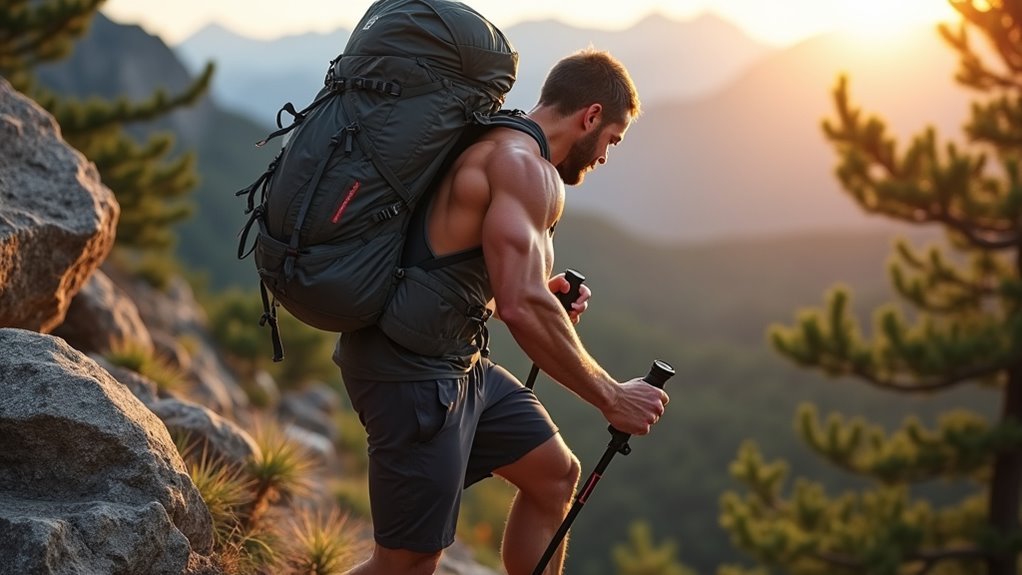
When you strap on a weighted backpack, you're essentially creating a walking strength kitchen. Like a well-balanced meal, rucking targets multiple muscle groups simultaneously:
- Shoulders and traps - Bear the weight directly, developing definition and strength
- Core muscles - Constantly engage to maintain balance and proper posture
- Back muscles - Work overtime to keep you upright under load
- Leg muscles - Power through each step, building endurance and strength
This multi-dimensional approach reminds me of how a single Dutch oven can develop layers of flavor while using just one pot. Similarly, rucking develops complex muscle patterns using just one activity.
The Perfect Starting Weight: Don't Overseason
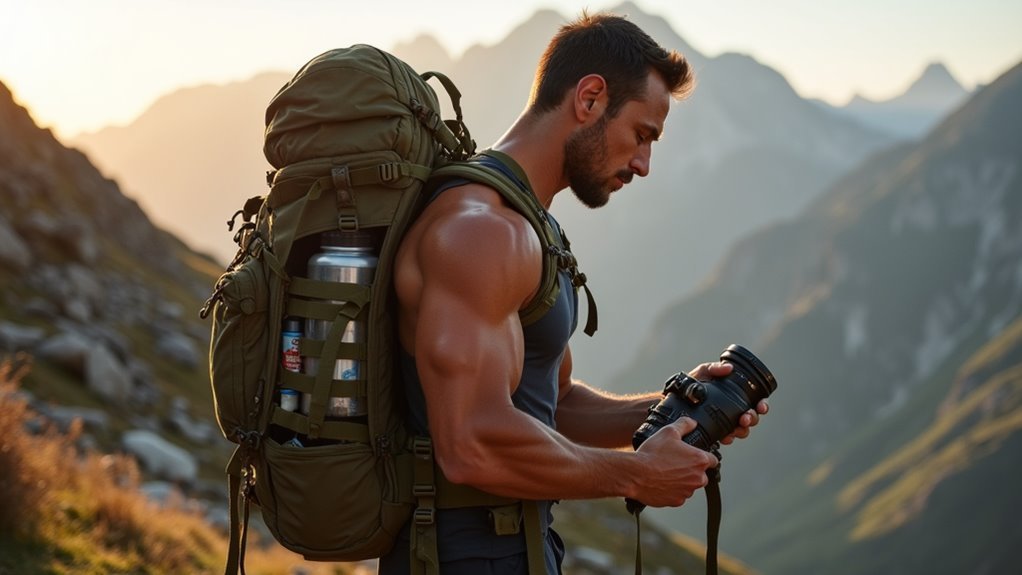
Just as you wouldn't overwhelm a delicate fish with heavy spices, don't crush your body with excessive weight when starting. The golden rule is beginning with just 10% of your body weight. For someone weighing 150 pounds, that's a 15-pound pack.
Like reducing a sauce too quickly, rushing the process leads to poor results. Start light, build gradually, and let your body adapt properly.
Progressive Loading: Turning Up the Heat
Once your body adapts to the initial weight, increase the challenge gradually - about 5 pounds per week after adjustment. Like slowly caramelizing onions without burning them, this gradual progression builds strength without injury.
| Fitness Level | Starting Weight | Progression Timeline |
|---|---|---|
| Beginner | 10% body weight | Add 5 lbs every 2-3 weeks |
| Intermediate | 15% body weight | Add 5 lbs every 1-2 weeks |
| Advanced | 20% body weight | Add 5 lbs weekly |
Proper Technique: The Mise en Place of Rucking
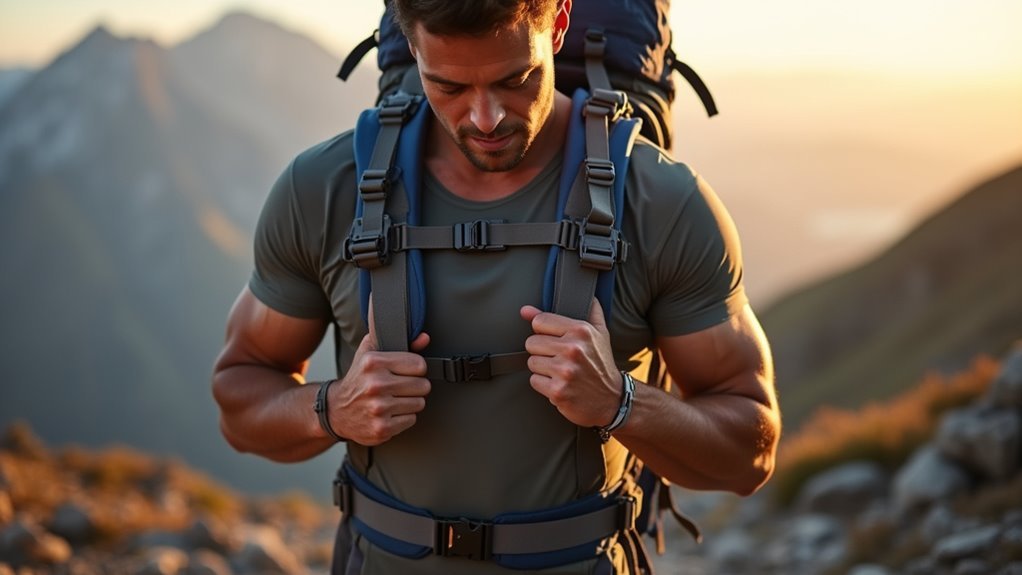
Just as proper preparation ensures cooking success, proper form ensures rucking success. Your posture and backpack fit are the mise en place of this fitness method:
- Backpack position - Center the weight high between your shoulder blades
- Hip belt placement - Secure snugly on hip bones, not your waist
- Shoulder straps - Adjust for support without digging in
- Posture - Keep shoulders back, chest up, and core engaged
Poor form is like a poorly executed recipe - it leaves a bad taste and potential injury. Proper weight distribution is crucial for preventing strain and enhancing your rucking experience.
Weekly Training Schedule: Your Fitness Menu Plan
Like planning a weekly menu, scheduling your rucking sessions requires thoughtful progression:
| Week | Frequency | Duration | Weight |
|---|---|---|---|
| 1-2 | 2 days/week | 20-30 minutes | 10% body weight |
| 3-4 | 3 days/week | 30-45 minutes | 15% body weight |
| 5+ | 3-4 days/week | 45-60 minutes | 20% body weight |
Include a "deload week" every 4-6 weeks - think of it as cleansing your palate between rich courses. Reduce weight by 30-40% for a week to allow full recovery.
The Secret Sauce: Low-Impact Muscle Building
The beauty of rucking lies in its gentle approach to muscle development. Unlike the high-heat intensity of heavy weightlifting that can damage joints, rucking applies a slow, consistent pressure that builds strength without breakdown.
This method reminds me of sous vide cooking - controlled, precise, and ultimately producing superior results without harsh treatment. Your body builds resilience gradually while experiencing fewer injuries and faster recovery times.
Frequently Asked Questions
What backpack materials work best for rucking?
Look for durable canvas or heavy-duty nylon packs with proper padding and support. Like selecting a quality chef's knife, invest in equipment that will handle the demands you place on it.
How does rucking compare to traditional strength training?
Rucking is to traditional weightlifting what slow-braising is to flash-frying. Both produce excellent results, but rucking focuses on sustained, functional strength while traditional lifting offers more targeted muscle isolation.
Can rucking help with weight loss?
Absolutely! Rucking burns approximately 50-60% more calories than regular walking. It's like turning your metabolic burner from simmer to medium-high.
What terrain works best for rucking?
Varied terrain provides the best results. Start on flat surfaces, then incorporate hills, trails, and different textures. For more information on choosing the right gear for different terrains, check out the perfect hiking backpack guide.
Like mastering any culinary technique, rucking becomes more rewarding as you develop your skills. Start with the basics, progress thoughtfully, and you'll soon be "cooking up" impressive muscle development wherever your weighted walks take you.

No comments:
Post a Comment