Monday, 30 June 2025

Ultimate Holiday Bike Guide for Kids

{"logprobs":null,"finish_reason":"stop","native_finish_reason":"stop","index":0,"message":{"role":"assistant","content":"

The Ultimate Parent's Guide to Kids' Bikes: From Wobbly Toddlers to Trail Blazers

\n\n

As a parent who's navigated the sometimes overwhelming world of children's bikes, I've learned that finding the perfect ride doesn't require an engineering degree or a second mortgage! Whether your little one is taking their first wobbly steps toward two-wheeled independence or your tween is begging for something to tackle the neighborhood trails, I'm here to simplify the journey. Let's explore the wonderful world of kids' bikes together, focusing on what really matters: safety, fun, and building lifelong confidence on wheels.

\n\n

Balance Bikes: Where Every Cycling Journey Begins

\n\n

There's nothing quite like watching your toddler discover the freedom of their first balance bike! These pedal-free wonders teach the most crucial cycling skill first - balance - without overwhelming little ones with the coordination required for pedaling.

\n\n

After seeing countless children master these machines, I can confidently recommend:

\n\n
    \n
  • Budget-friendly champion: The Retrospec Cub ($69) - perfect for families watching their spending while still providing a quality riding experience
  • \n
  • Premium option: The woom 1 ($249) - like comparing a basic car to a luxury ride, the extra investment shows in the details
  • \n
\n\n
Pro parent tip: Expect plenty of wobbles and giggles as your little one discovers the joy of their first balance bike adventure!
\n\n

Remember, a properly fitted helmet is non-negotiable from day one - it sets the right safety habit for life. Check out these balance bike safety features for additional peace of mind.

\n\n

First Pedal Bikes: The Magical Transition

\n\n

When your balance bike master starts eyeing those \"big kid\" pedal bikes with determination, you know it's time for the next adventure! This transition can be exciting and nerve-wracking for parents, but I've found the secret to success: lightweight bikes that don't overwhelm developing muscles.

\n\n

Top picks for this crucial transition stage:

\n\n\n \n \n \n \n \n \n \n \n \n \n \n \n \n \n \n \n \n \n \n \n
Bike ModelPriceStandout Feature
Retrospec Koda Plus$149Exceptional value without compromising quality
Guardian Bikes$259+SureStop braking system for extra safety
BIKY$299+Innovative design for faster learning
\n\n

The lighter the bike, the easier it is for children to control - making those first pedaling experiences joyful rather than frustrating.

\n\n

Growing Riders: Bikes for the 8-12 Crowd

\n\n

When kids hit the 8-12 age range, their biking needs shift dramatically. We're no longer in \"cute kid bike\" territory - these growing riders need legitimate cycling equipment that can keep up with their adventures!

\n\n

At this stage, consider:

\n\n
    \n
  • Budget-friendly quality: The Polygon Premier Ultralight offers impressive performance without the premium price tag
  • \n
  • Best overall experience: The Prevelo Alpha paired with a Giro Fixture II MIPS helmet provides the perfect combination of performance and protection
  • \n
\n\n

Remember that proper sizing becomes increasingly important as speeds increase. A bike that fits well will not only be safer but will help your child develop proper riding techniques from the start.

\n\n

Mountain Bikes: Off-Road Adventures Await

\n\n

When your child starts pointing to dirt trails with longing looks, it might be time to consider a proper mountain bike. These aren't just downsized adult bikes - the best ones are specifically engineered for growing riders tackling off-road challenges.

\n\n

Mountain biking options worth considering:

\n\n
    \n
  • Entry-level performance: Polygon Premier 24 XC Evo Disc ($449) - solid components at a reasonable price point
  • \n
  • Exceptional handling: woom OFF series - designed specifically for younger riders' proportions
  • \n
  • Serious trail capability: Prevelo Zulu line - when your young rider is ready for more challenging terrain
  • \n
  • Adventure extender: Specialized Turbo Levo SL Jr. - electric assistance for ambitious family expeditions
  • \n
\n\n

Mountain biking builds not just cycling skills but confidence, problem-solving, and a deep connection with nature - benefits that extend far beyond the trails.

\n\n

Quick Answers to Common Questions

\n\n

How do I know if the bike fits properly?

\n

Your child should be able to touch the ground with both feet while seated (no tiptoeing). When standing over the frame, there should be 1-2 inches of clearance between your child and the top tube.

\n\n

When should I replace my child's helmet?

\n

Replace helmets immediately after any impact, every 3-5 years due to material degradation, or when they no longer fit properly as your child grows.

\n\n

Air tires or foam tires?

\n

Air tires provide better traction and shock absorption but require occasional maintenance. Foam tires never go flat (perfect for hassle-free riding) but offer less grip and tend to be heavier.

\n\n

What's a reasonable budget for a quality kids' bike?

\n

Quality balance bikes start around $69, while good pedal bikes typically range from $149-$329. Remember, many well-made children's bikes maintain excellent resale value!

\n\n

The Bigger Picture

\n\n

Studies show children who develop cycling skills early are 40% more likely to remain active into adulthood. Whether you choose a budget-friendly option or invest in premium equipment, you're not just buying a bike - you're investing in your child's confidence, independence, and lifelong healthy habits.

\n\n

Visit Kids Bikes n Trikes for more detailed reviews and recommendations for every stage of your child's cycling journey!

","refusal":null,"reasoning":"I'm being asked to rewrite this content about kids' bikes into an engaging format of 800-1000 words, in HTML format compatible with blogger.com, while maintaining the core information and adding some structure like lists and tables where appropriate. I should also add at least one link back to the source site.\n\nLet me break down the original content:\n\n1. Introduction about kids' bikes with some general advice\n2. Balance bikes for toddlers section\n3. Small kids pedal bikes section\n4. Big kids pedal bikes section\n5. Kids mountain bikes section\n6. FAQ section with 5 questions\n7. Conclusion\n\nNow, I'll rewrite this to be more engaging, keeping the parent perspective that was requested, and staying within the 800-1000 word limit. I'll structure it with proper HTML for blogger.com.\n\nFor the rewrite, I'll:\n- Create a catchy title and introduction\n- Keep the main sections but make them more conversational and engaging\n- Convert some information into lists or tables where appropriate\n- Add a link back to the source site\n- Keep the essential advice and recommendations\n- Maintain the parent perspective throughout\n\nLet me draft this now:\n\nTitle: The Ultimate Parent's Guide to Choosing the Perfect Bike for Your Child\n\nIntroduction: As a parent who's navigated the sometimes overwhelming world of kids' bikes, I want to share what I've learned to make your decision easier. From wobbly toddlers to trail-blazing tweens, finding the right bike doesn't have to break your budget or stress you out!\n\nSection 1: Balance Bikes - Where the Journey Begins\n- Focus on how these build confidence\n- Highlight the Retrospec Cub as a budget option and woom 1 as premium\n- Emphasize safety gear\n\nSection 2: First Pedal Bikes - The Exciting Transition\n- Discuss the transition from balance to pedals\n- Highlight weight considerations\n- Mention Retrospec Koda Plus and Guardian Bikes\n\nSection 3: Bikes for Growing Kids\n- Focus on 8-12 age range\n- Discuss how needs change\n- Highlight recommended options\n\nSection 4: Mountain Bikes for Young Adventurers\n- Talk about off-road capabilities\n- Recommend options at different price points\n- Discuss features to look for\n\nSection 5: Essential FAQs\n- Convert these into a more visually appealing format\n- Keep the practical advice about helmets, sizing, etc.\n\nConclusion: Wrap up with encouragement about investing in their future health and happiness\n\nI'll now write the full piece in HTML format appropriate for blogger.com.","reasoning_details":[{"type":"reasoning.text","text":"I'm being asked to rewrite this content about kids' bikes into an engaging format of 800-1000 words, in HTML format compatible with blogger.com, while maintaining the core information and adding some structure like lists and tables where appropriate. I should also add at least one link back to the source site.\n\nLet me break down the original content:\n\n1. Introduction about kids' bikes with some general advice\n2. Balance bikes for toddlers section\n3. Small kids pedal bikes section\n4. Big kids pedal bikes section\n5. Kids mountain bikes section\n6. FAQ section with 5 questions\n7. Conclusion\n\nNow, I'll rewrite this to be more engaging, keeping the parent perspective that was requested, and staying within the 800-1000 word limit. I'll structure it with proper HTML for blogger.com.\n\nFor the rewrite, I'll:\n- Create a catchy title and introduction\n- Keep the main sections but make them more conversational and engaging\n- Convert some information into lists or tables where appropriate\n- Add a link back to the source site\n- Keep the essential advice and recommendations\n- Maintain the parent perspective throughout\n\nLet me draft this now:\n\nTitle: The Ultimate Parent's Guide to Choosing the Perfect Bike for Your Child\n\nIntroduction: As a parent who's navigated the sometimes overwhelming world of kids' bikes, I want to share what I've learned to make your decision easier. From wobbly toddlers to trail-blazing tweens, finding the right bike doesn't have to break your budget or stress you out!\n\nSection 1: Balance Bikes - Where the Journey Begins\n- Focus on how these build confidence\n- Highlight the Retrospec Cub as a budget option and woom 1 as premium\n- Emphasize safety gear\n\nSection 2: First Pedal Bikes - The Exciting Transition\n- Discuss the transition from balance to pedals\n- Highlight weight considerations\n- Mention Retrospec Koda Plus and Guardian Bikes\n\nSection 3: Bikes for Growing Kids\n- Focus on 8-12 age range\n- Discuss how needs change\n- Highlight recommended options\n\nSection 4: Mountain Bikes for Young Adventurers\n- Talk about off-road capabilities\n- Recommend options at different price points\n- Discuss features to look for\n\nSection 5: Essential FAQs\n- Convert these into a more visually appealing format\n- Keep the practical advice about helmets, sizing, etc.\n\nConclusion: Wrap up with encouragement about investing in their future health and happiness\n\nI'll now write the full piece in HTML format appropriate for blogger.com.","signature":"ErUBCkYIBRgCIkBBEXwo5FN704sFY5sD02R8iHm13c90vSg6BhSWKH/GkSFTTgc7tvJkt3G80nCprajw7fzGnqUVWkAzg5a5odkfEgx06qa77w1lmK8q1fAaDL9M2aB3HSqeVK4YSiIw2btMb6xn6hlQP6cpoN4/8yntU4nLXQwwqOBTppIHR27ixcoAl4FrSwXVQmwSBIT+Kh3lS+5r6SacUx6HENFWNddbceNC3dmkXDisaB3F2BgC"}]}}

The Ultimate Parent's Guide to Kids' Bikes: From Wobbly Toddlers to Trail Blazers

As a parent who's navigated the sometimes overwhelming world of children's bikes, I've learned that finding the perfect ride doesn't require an engineering degree or a second mortgage! Whether your little one is taking their first wobbly steps toward two-wheeled independence or your tween is begging for something to tackle the neighborhood trails, I'm here to simplify the journey. Let's explore the wonderful world of kids' bikes together, focusing on what really matters: safety, fun, and building lifelong confidence on wheels.

Balance Bikes: Where Every Cycling Journey Begins

There's nothing quite like watching your toddler discover the freedom of their first balance bike! These pedal-free wonders teach the most crucial cycling skill first - balance - without overwhelming little ones with the coordination required for pedaling.

After seeing countless children master these machines, I can confidently recommend:

  • Budget-friendly champion: The Retrospec Cub ($69) - perfect for families watching their spending while still providing a quality riding experience
  • Premium option: The woom 1 ($249) - like comparing a basic car to a luxury ride, the extra investment shows in the details
Pro parent tip: Expect plenty of wobbles and giggles as your little one discovers the joy of their first balance bike adventure!

Remember, a properly fitted helmet is non-negotiable from day one - it sets the right safety habit for life. Check out these balance bike safety features for additional peace of mind.

First Pedal Bikes: The Magical Transition

When your balance bike master starts eyeing those "big kid" pedal bikes with determination, you know it's time for the next adventure! This transition can be exciting and nerve-wracking for parents, but I've found the secret to success: lightweight bikes that don't overwhelm developing muscles.

Top picks for this crucial transition stage:

Bike Model Price Standout Feature
Retrospec Koda Plus $149 Exceptional value without compromising quality
Guardian Bikes $259+ SureStop braking system for extra safety
BIKY $299+ Innovative design for faster learning

The lighter the bike, the easier it is for children to control - making those first pedaling experiences joyful rather than frustrating.

Growing Riders: Bikes for the 8-12 Crowd

When kids hit the 8-12 age range, their biking needs shift dramatically. We're no longer in "cute kid bike" territory - these growing riders need legitimate cycling equipment that can keep up with their adventures!

At this stage, consider:

  • Budget-friendly quality: The Polygon Premier Ultralight offers impressive performance without the premium price tag
  • Best overall experience: The Prevelo Alpha paired with a Giro Fixture II MIPS helmet provides the perfect combination of performance and protection

Remember that proper sizing becomes increasingly important as speeds increase. A bike that fits well will not only be safer but will help your child develop proper riding techniques from the start.

Mountain Bikes: Off-Road Adventures Await

When your child starts pointing to dirt trails with longing looks, it might be time to consider a proper mountain bike. These aren't just downsized adult bikes - the best ones are specifically engineered for growing riders tackling off-road challenges.

Mountain biking options worth considering:

  • Entry-level performance: Polygon Premier 24 XC Evo Disc ($449) - solid components at a reasonable price point
  • Exceptional handling: woom OFF series - designed specifically for younger riders' proportions
  • Serious trail capability: Prevelo Zulu line - when your young rider is ready for more challenging terrain
  • Adventure extender: Specialized Turbo Levo SL Jr. - electric assistance for ambitious family expeditions

Mountain biking builds not just cycling skills but confidence, problem-solving, and a deep connection with nature - benefits that extend far beyond the trails.

Quick Answers to Common Questions

How do I know if the bike fits properly?

Your child should be able to touch the ground with both feet while seated (no tiptoeing). When standing over the frame, there should be 1-2 inches of clearance between your child and the top tube.

When should I replace my child's helmet?

Replace helmets immediately after any impact, every 3-5 years due to material degradation, or when they no longer fit properly as your child grows.

Air tires or foam tires?

Air tires provide better traction and shock absorption but require occasional maintenance. Foam tires never go flat (perfect for hassle-free riding) but offer less grip and tend to be heavier.

What's a reasonable budget for a quality kids' bike?

Quality balance bikes start around $69, while good pedal bikes typically range from $149-$329. Remember, many well-made children's bikes maintain excellent resale value!

The Bigger Picture

Studies show children who develop cycling skills early are 40% more likely to remain active into adulthood. Whether you choose a budget-friendly option or invest in premium equipment, you're not just buying a bike - you're investing in your child's confidence, independence, and lifelong healthy habits.

Visit Kids Bikes n Trikes for more detailed reviews and recommendations for every stage of your child's cycling journey!

Saturday, 28 June 2025

Handyman or Electrician? Make the Right Choice

{"logprobs":null,"finish_reason":"stop","native_finish_reason":"stop","index":0,"message":{"role":"assistant","content":"

Handyman vs. Electrician: Making the Right Choice for Your Home's Electrical Needs

\n\n

As a parent and homeowner, I've faced that moment of uncertainty many times: should I call my regular handyman to save money, or invest in a licensed electrician for that electrical issue? Making the wrong choice can be costly, dangerous, and potentially put my family at risk. Let me share what I've learned about this important decision that every homeowner faces.

\n\n

Understanding the Difference: Handyman vs. Electrician

\n\n

When electrical problems arise, the distinction between these professionals becomes crucial:

\n\n\n \n \n \n \n \n \n \n \n \n \n \n \n \n \n \n \n \n \n \n \n \n \n \n \n \n \n \n \n \n \n
ConsiderationHandymanElectrician
TrainingGeneral, varied experienceSpecialized electrical training (4-5 years)
LicensingUsually minimal or noneLicensed by state/local authorities
InsuranceLimited or noneComprehensive liability coverage
Code KnowledgeBasic awarenessIn-depth understanding of regulations
CostGenerally lower hourly rateHigher rate but specialized expertise
\n\n

When a Handyman is Perfect for the Job

\n\n

Don't dismiss your reliable handyman! They're ideal for many household tasks that might have minor electrical components:

\n\n
    \n
  • Basic fixture replacements (if they're experienced)
  • \n
  • Installing ceiling fans (in pre-wired locations)
  • \n
  • Replacing light switches or outlets (simple swaps)
  • \n
  • General home maintenance and repairs
  • \n
  • Small carpentry projects with lighting elements
  • \n
\n\n

For these simpler tasks where existing wiring isn't being modified, a competent handyman can often handle the job efficiently and economically.

\n\n

When You Absolutely Need an Electrician

\n\n\"Certified\n\n

As a parent, I've learned some electrical situations are non-negotiable when it comes to hiring a professional. Here's when I always call a licensed electrician:

\n\n
    \n
  1. Persistent electrical problems - When breakers keep tripping or lights flicker consistently
  2. \n
  3. New wiring installation - For renovations, additions, or new appliances
  4. \n
  5. Electrical panel upgrades - When your home needs more power capacity
  6. \n
  7. Circuit breaker issues - These regulate your home's electrical safety system
  8. \n
  9. Outdoor electrical work - Which involves additional safety and weatherproofing concerns
  10. \n
  11. Smart home wiring - For integrated technological systems
  12. \n
\n\n

Remember, electricians understand building codes and safety standards that protect your family. Their work is backed by insurance and guarantees that handymen typically can't offer.

\n\n

The Hidden Costs of Choosing Wrong

\n\n

That lower initial quote from a handyman might seem attractive, but I've learned the hard way that improper electrical work can lead to:

\n\n
    \n
  • Double payments - Paying once for incorrect work, then again for an electrician to fix it
  • \n
  • Damaged appliances - Improper wiring can ruin expensive electronics
  • \n
  • Insurance complications - Claims may be denied if work wasn't done by licensed professionals
  • \n
  • Safety hazards - The worst cost of all: putting your family at risk
  • \n
\n\n
\n

\"Let trusted professionals handle your electrical needs – it's a safety investment that pays for itself.\"

\n
\n\n

Insurance and Liability: What Parents Need to Know

\n\n

As someone responsible for my family's wellbeing, insurance considerations are paramount. Licensed electricians carry:

\n\n
    \n
  • Liability insurance - Covering potential damages to your property
  • \n
  • Workers' compensation - Protecting against injury claims
  • \n
  • Bonding - Additional financial protection for homeowners
  • \n
\n\n

If a handyman without proper insurance gets injured in your home or their work causes damage, your homeowner's insurance might not cover it - leaving you financially exposed.

\n\n

Smart Hiring: Questions to Ask Before Making Your Decision

\n\n

Before hiring anyone for electrical work in my home, I always ask:

\n\n
    \n
  • \"Are you licensed specifically for electrical work in this jurisdiction?\"
  • \n
  • \"Can you provide proof of insurance and bonding?\"
  • \n
  • \"Will you obtain any necessary permits for this project?\"
  • \n
  • \"Can you provide references for similar work?\"
  • \n
  • \"How will you ensure this installation meets current electrical codes?\"
  • \n
  • \"Do you offer a warranty on your work?\"
  • \n
\n\n

I also verify credentials independently through my state's licensing board website. This simple step has saved me from potential problems numerous times.

\n\n

The Bottom Line for Safety-Conscious Parents

\n\n

While saving money is important for any family budget, electrical safety isn't where I choose to cut corners. Simple tasks may be appropriate for handymen, but when it comes to significant electrical work, I trust licensed professionals.

\n\n

Remember, electrical problems might not show symptoms immediately - improper work can hide in your walls for years before causing problems. By that time, the \"savings\" from hiring an unqualified person will be forgotten in the face of potentially catastrophic consequences.

\n\n

For more detailed information about electrical safety and hiring the right professionals, visit Generator Junkie, where you'll find comprehensive guides to keep your home and family safe.

\n\n

What experiences have you had with handymen versus electricians? Share your stories in the comments below!

","refusal":null,"reasoning":"Alright, I'm being asked to rewrite and summarize the provided content into an engaging blog post of around 800-1000 words that's compatible with blogger.com. I should include HTML formatting, lists, tables where appropriate, and add at least one link back to the source site.\n\nLet's break down the original content:\n\n1. It's about the differences between hiring a handyman versus a licensed electrician for electrical work\n2. It discusses when each is appropriate\n3. It highlights safety concerns, costs, and legal implications\n4. It includes sections on insurance, verification of credentials, and FAQs\n\nNow I'll create a more engaging version that maintains the key information but is more concise and formatted appropriately for a blog post. I'll aim for 800-1000 words total.\n\nFor the title, I'll create something engaging that captures the main point.\n\nFor the content structure:\n1. Introduction that hooks the reader\n2. Clear explanation of the differences between handymen and electricians\n3. When to hire each type of professional\n4. Safety and cost considerations\n5. Insurance and liability information\n6. Tips for hiring the right person\n7. Conclusion with key takeaways\n\nI'll include:\n- Lists where appropriate\n- A table comparing handymen vs. electricians\n- Bold formatting for emphasis\n- At least one link back to the source site\n- Proper HTML formatting for blogger.com\n\nLet me craft this now:","reasoning_details":[{"type":"reasoning.text","text":"Alright, I'm being asked to rewrite and summarize the provided content into an engaging blog post of around 800-1000 words that's compatible with blogger.com. I should include HTML formatting, lists, tables where appropriate, and add at least one link back to the source site.\n\nLet's break down the original content:\n\n1. It's about the differences between hiring a handyman versus a licensed electrician for electrical work\n2. It discusses when each is appropriate\n3. It highlights safety concerns, costs, and legal implications\n4. It includes sections on insurance, verification of credentials, and FAQs\n\nNow I'll create a more engaging version that maintains the key information but is more concise and formatted appropriately for a blog post. I'll aim for 800-1000 words total.\n\nFor the title, I'll create something engaging that captures the main point.\n\nFor the content structure:\n1. Introduction that hooks the reader\n2. Clear explanation of the differences between handymen and electricians\n3. When to hire each type of professional\n4. Safety and cost considerations\n5. Insurance and liability information\n6. Tips for hiring the right person\n7. Conclusion with key takeaways\n\nI'll include:\n- Lists where appropriate\n- A table comparing handymen vs. electricians\n- Bold formatting for emphasis\n- At least one link back to the source site\n- Proper HTML formatting for blogger.com\n\nLet me craft this now:","signature":"ErUBCkYIBRgCIkCySCUDL28AMCsDDb/4tfH4WN+Vn8Guiy8wHe7fjcgd7DsdsoSA6h+a67JHlnXSWbmi6e5sPgZSB0d/3WYsMnuUEgxMtZNGdCKRzkO8e3kaDFXOp8w9Xq8208FnviIwckYRB8e+Bo9DY2ANS0MpdD8Ho7qTwk6XqLr21mjjzK03a6ZIAyfjIOgFdIPs1YYgKh2NYv8Rgov62x1+Fd5nZRF+GrfywsCscLBniiAuBhgC"}]}}

Handyman vs. Electrician: Making the Right Choice for Your Home's Electrical Needs

As a parent and homeowner, I've faced that moment of uncertainty many times: should I call my regular handyman to save money, or invest in a licensed electrician for that electrical issue? Making the wrong choice can be costly, dangerous, and potentially put my family at risk. Let me share what I've learned about this important decision that every homeowner faces.

Understanding the Difference: Handyman vs. Electrician

When electrical problems arise, the distinction between these professionals becomes crucial:

Consideration Handyman Electrician
Training General, varied experience Specialized electrical training (4-5 years)
Licensing Usually minimal or none Licensed by state/local authorities
Insurance Limited or none Comprehensive liability coverage
Code Knowledge Basic awareness In-depth understanding of regulations
Cost Generally lower hourly rate Higher rate but specialized expertise

When a Handyman is Perfect for the Job

Don't dismiss your reliable handyman! They're ideal for many household tasks that might have minor electrical components:

  • Basic fixture replacements (if they're experienced)
  • Installing ceiling fans (in pre-wired locations)
  • Replacing light switches or outlets (simple swaps)
  • General home maintenance and repairs
  • Small carpentry projects with lighting elements

For these simpler tasks where existing wiring isn't being modified, a competent handyman can often handle the job efficiently and economically.

When You Absolutely Need an Electrician

Certified electrician at work

As a parent, I've learned some electrical situations are non-negotiable when it comes to hiring a professional. Here's when I always call a licensed electrician:

  1. Persistent electrical problems - When breakers keep tripping or lights flicker consistently
  2. New wiring installation - For renovations, additions, or new appliances
  3. Electrical panel upgrades - When your home needs more power capacity
  4. Circuit breaker issues - These regulate your home's electrical safety system
  5. Outdoor electrical work - Which involves additional safety and weatherproofing concerns
  6. Smart home wiring - For integrated technological systems

Remember, electricians understand building codes and safety standards that protect your family. Their work is backed by insurance and guarantees that handymen typically can't offer.

The Hidden Costs of Choosing Wrong

That lower initial quote from a handyman might seem attractive, but I've learned the hard way that improper electrical work can lead to:

  • Double payments - Paying once for incorrect work, then again for an electrician to fix it
  • Damaged appliances - Improper wiring can ruin expensive electronics
  • Insurance complications - Claims may be denied if work wasn't done by licensed professionals
  • Safety hazards - The worst cost of all: putting your family at risk

"Let trusted professionals handle your electrical needs – it's a safety investment that pays for itself."

Insurance and Liability: What Parents Need to Know

As someone responsible for my family's wellbeing, insurance considerations are paramount. Licensed electricians carry:

  • Liability insurance - Covering potential damages to your property
  • Workers' compensation - Protecting against injury claims
  • Bonding - Additional financial protection for homeowners

If a handyman without proper insurance gets injured in your home or their work causes damage, your homeowner's insurance might not cover it - leaving you financially exposed.

Smart Hiring: Questions to Ask Before Making Your Decision

Before hiring anyone for electrical work in my home, I always ask:

  • "Are you licensed specifically for electrical work in this jurisdiction?"
  • "Can you provide proof of insurance and bonding?"
  • "Will you obtain any necessary permits for this project?"
  • "Can you provide references for similar work?"
  • "How will you ensure this installation meets current electrical codes?"
  • "Do you offer a warranty on your work?"

I also verify credentials independently through my state's licensing board website. This simple step has saved me from potential problems numerous times.

The Bottom Line for Safety-Conscious Parents

While saving money is important for any family budget, electrical safety isn't where I choose to cut corners. Simple tasks may be appropriate for handymen, but when it comes to significant electrical work, I trust licensed professionals.

Remember, electrical problems might not show symptoms immediately - improper work can hide in your walls for years before causing problems. By that time, the "savings" from hiring an unqualified person will be forgotten in the face of potentially catastrophic consequences.

For more detailed information about electrical safety and hiring the right professionals, visit Generator Junkie, where you'll find comprehensive guides to keep your home and family safe.

What experiences have you had with handymen versus electricians? Share your stories in the comments below!

Sunday, 22 June 2025

Toshiba Rice Cooker 6 Cup Uncooked – Japanese Rice Cooker with Fuzzy Logic Review

{"logprobs":null,"finish_reason":"stop","native_finish_reason":"stop","index":0,"message":{"role":"assistant","content":"

The Toshiba Rice Cooker Revolution: A Chef's Honest Review

\n\n

After 15 years in professional kitchens, I've developed a healthy skepticism toward single-function appliances. Counter space is sacred territory in any kitchen. However, the Toshiba TRCS01 Rice Cooker has earned its place in my culinary arsenal, and I'm kicking myself for not embracing this technology sooner. If you've ever suffered through burnt rice, gummy grains, or inconsistent results, this review might change your cooking life forever.

\n\n

Design That Complements Your Kitchen

\n\n

As a chef, I appreciate thoughtful design. The Toshiba strikes an impressive balance between functionality and aesthetics with its sleek black and stainless steel finish. Unlike many kitchen gadgets that scream \"I'm plastic and temporary,\" this rice cooker has a professional appearance that wouldn't look out of place in a high-end kitchen. Its footprint is comparable to a standard coffee maker—reasonable for the functionality it delivers. The intuitive control panel means you can start cooking without diving into instruction manuals, and the non-stick inner pot not only distributes heat beautifully but also cleans up in seconds—a crucial consideration for any busy cook.

\n\n

Culinary Intelligence in a Box

\n\n

The star feature is undoubtedly the fuzzy logic technology. This sophisticated system actually adapts cooking time and temperature based on moisture content, essentially \"thinking\" about how to prepare your rice perfectly. I've tested white, brown, wild rice blends, and even ancient grains—each comes out with ideal texture and consistency. The separate grains, perfect moisture level, and complete absence of burnt bottoms feels almost magical.

\n\n

But this isn't just a rice cooker—it's a versatile kitchen assistant. The porridge setting transforms morning oatmeal preparation, the steamer function perfectly cooks vegetables while rice simmers below, and the quick rice option has rescued countless last-minute meals. For busy cooks, the 24-hour keep warm function maintains ideal serving temperature without overcooking—perfect for households where everyone eats on different schedules.

\n\n

Technical Specifications at a Glance

\n\n\n \n \n \n \n \n \n \n \n \n \n \n \n \n \n \n \n \n \n \n \n \n \n \n \n \n \n \n \n \n \n \n \n
FeatureSpecification
Capacity6 cups uncooked (12 cups cooked)
Cooking FunctionsWhite Rice, Brown Rice, Mixed Rice, Multi-grain, Quick Rice, Porridge, Steel-Cut Oats, Steam
TechnologyFuzzy Logic with temperature sensors
Keep Warm DurationUp to 24 hours
Delay TimerTwo programmable timers up to 24 hours
Included AccessoriesMeasuring cup, rice spatula, soup ladle, steamer basket
Dimensions10.6 x 13.9 x 8.4 inches
\n\n

The Chef's Assessment

\n\n

Kitchen Wins:

\n
    \n
  • Exceptional grain separation and texture across multiple rice varieties
  • \n
  • One-button operation with sophisticated cooking algorithms
  • \n
  • Multi-functionality that justifies counter space (rice, grains, steaming, porridge)
  • \n
  • Keep-warm function that doesn't dry out or overcook food
  • \n
  • Genuinely non-stick interior that releases every grain and cleans effortlessly
  • \n
  • Quiet operation that won't disrupt kitchen conversation
  • \n
  • Thoughtful design touches like the retractable power cord
  • \n
\n\n

Potential Improvements:

\n
    \n
  • 6-cup capacity may require multiple batches for large gatherings
  • \n
  • Steam release can sometimes be surprisingly forceful
  • \n
  • Could benefit from dedicated settings for quinoa and other popular grains
  • \n
  • End-of-cooking alert beep volume cannot be adjusted
  • \n
  • Premium price point compared to basic models (though justified by performance)
  • \n
\n\n

Beyond Rice: Culinary Versatility

\n\n

What truly elevates this appliance is its multi-functionality. As a chef, I value tools that perform multiple tasks exceptionally well. Beyond perfect rice, I've used this cooker to prepare steel-cut oats with a creamy texture impossible to achieve on the stovetop, steamed delicate fish fillets while simultaneously cooking rice for a complete meal, and even made a remarkably consistent congee that simmered gently without scorching.

\n\n

The ability to set the timer before leaving for work and return to perfectly prepared grains has transformed my weeknight cooking strategy. Add the steamer basket, and you've got a complete meal solution with minimal cleanup—music to any busy cook's ears.

\n\n

The Perfect Kitchen Partner For...

\n\n

Culinary beginners: This cooker eliminates the intimidating learning curve of cooking rice and grains perfectly. One-button operation delivers professional results consistently.

\n\n

Weeknight warriors: If you regularly prepare family dinners on tight schedules, the time-saving automation and reliable results will revolutionize your routine.

\n\n

Grain enthusiasts: For those exploring beyond white rice into brown, wild, mixed, and specialty grains, the fuzzy logic technology adapts to each variety's unique cooking requirements.

\n\n

After a month of intensive testing, the Toshiba TRCS01 Rice Cooker has earned permanent residence in my kitchen. It delivers restaurant-quality results with minimal effort, versatility that justifies its counter space, and the kind of reliability that makes you wonder how you ever cooked without it.

\n\n

For anyone serious about cooking perfect rice and grains without constant monitoring, this appliance represents an investment in countless effortless, delicious meals. As a chef who values both precision and efficiency, I give it my enthusiastic endorsement.

\n\n

Learn more about this kitchen game-changer at Rice Cooker Junkie, where you'll find additional insights and comparison options.

","refusal":null,"reasoning":"I need to rewrite the content about the Toshiba Rice Cooker in an engaging way, aiming for 800-1000 words, in HTML format that's compatible with blogger.com. I should include lists and tables where appropriate and add at least one link back to the source site.\n\nLet me break down the original content:\n\n1. Introduction about someone being skeptical about single-purpose gadgets but deciding to try the Toshiba TRCS01 Rice Cooker\n2. Description of the physical appearance and design\n3. Product link/promotion\n4. Information about the cooking functionality and performance\n5. Technical specifications in a table format\n6. Pros and cons lists\n7. Customer reviews\n8. Who should buy this rice cooker (beginner, intermediate, advanced)\n9. Alternative products\n10. Conclusion with a call to action\n\nNow I'll rewrite this content to be engaging and informative, using the same structure but with a chef's perspective, and making sure to stay within 800-1000 words:\n\nTitle: The Toshiba Rice Cooker Revolution: A Chef's Honest Review\n\nI'll start with an engaging introduction about rice cooking challenges and how the Toshiba rice cooker solves them.\n\nThen I'll discuss the design and appearance from a chef's perspective - highlighting counter space efficiency and professional aesthetic.\n\nI'll explain the cooking technology and versatility in an enthusiastic, knowledgeable way.\n\nI'll create a clean, organized specs table.\n\nFor pros and cons, I'll frame them in terms of kitchen efficiency and culinary results.\n\nI'll summarize customer reviews with a chef's interpretation of what matters most.\n\nI'll provide targeted recommendations based on cooking expertise.\n\nI'll briefly mention alternatives but focus on what makes this model special.\n\nI'll conclude with an enthusiastic endorsement and link back to the source.\n\nLet me craft this now:","reasoning_details":[{"type":"reasoning.text","text":"I need to rewrite the content about the Toshiba Rice Cooker in an engaging way, aiming for 800-1000 words, in HTML format that's compatible with blogger.com. I should include lists and tables where appropriate and add at least one link back to the source site.\n\nLet me break down the original content:\n\n1. Introduction about someone being skeptical about single-purpose gadgets but deciding to try the Toshiba TRCS01 Rice Cooker\n2. Description of the physical appearance and design\n3. Product link/promotion\n4. Information about the cooking functionality and performance\n5. Technical specifications in a table format\n6. Pros and cons lists\n7. Customer reviews\n8. Who should buy this rice cooker (beginner, intermediate, advanced)\n9. Alternative products\n10. Conclusion with a call to action\n\nNow I'll rewrite this content to be engaging and informative, using the same structure but with a chef's perspective, and making sure to stay within 800-1000 words:\n\nTitle: The Toshiba Rice Cooker Revolution: A Chef's Honest Review\n\nI'll start with an engaging introduction about rice cooking challenges and how the Toshiba rice cooker solves them.\n\nThen I'll discuss the design and appearance from a chef's perspective - highlighting counter space efficiency and professional aesthetic.\n\nI'll explain the cooking technology and versatility in an enthusiastic, knowledgeable way.\n\nI'll create a clean, organized specs table.\n\nFor pros and cons, I'll frame them in terms of kitchen efficiency and culinary results.\n\nI'll summarize customer reviews with a chef's interpretation of what matters most.\n\nI'll provide targeted recommendations based on cooking expertise.\n\nI'll briefly mention alternatives but focus on what makes this model special.\n\nI'll conclude with an enthusiastic endorsement and link back to the source.\n\nLet me craft this now:","signature":"ErUBCkYIBBgCIkC0hf/NNahrhB3I0NY/PQzESu5FTBokh4J7UrroB7DnMj/MZ6Myan3P5Gx0KZc0Em78F/+SwSVx+P9mAFaWUkXoEgxICrUn16ZrE5MA9GwaDHwRWazjpPwPrx972iIwgZIkUrd/Bg+gyWq/inlLWqJzQ1KEPBTHsToyetdHGekt9UxyORVtZlkDZ8fG0eGoKh1AYPn/t58rA0MCiB03LUDoM+Bqyg92Eb8fak4DehgC"}]}}

The Toshiba Rice Cooker Revolution: A Chef's Honest Review

After 15 years in professional kitchens, I've developed a healthy skepticism toward single-function appliances. Counter space is sacred territory in any kitchen. However, the Toshiba TRCS01 Rice Cooker has earned its place in my culinary arsenal, and I'm kicking myself for not embracing this technology sooner. If you've ever suffered through burnt rice, gummy grains, or inconsistent results, this review might change your cooking life forever.

Design That Complements Your Kitchen

As a chef, I appreciate thoughtful design. The Toshiba strikes an impressive balance between functionality and aesthetics with its sleek black and stainless steel finish. Unlike many kitchen gadgets that scream "I'm plastic and temporary," this rice cooker has a professional appearance that wouldn't look out of place in a high-end kitchen. Its footprint is comparable to a standard coffee maker—reasonable for the functionality it delivers. The intuitive control panel means you can start cooking without diving into instruction manuals, and the non-stick inner pot not only distributes heat beautifully but also cleans up in seconds—a crucial consideration for any busy cook.

Culinary Intelligence in a Box

The star feature is undoubtedly the fuzzy logic technology. This sophisticated system actually adapts cooking time and temperature based on moisture content, essentially "thinking" about how to prepare your rice perfectly. I've tested white, brown, wild rice blends, and even ancient grains—each comes out with ideal texture and consistency. The separate grains, perfect moisture level, and complete absence of burnt bottoms feels almost magical.

But this isn't just a rice cooker—it's a versatile kitchen assistant. The porridge setting transforms morning oatmeal preparation, the steamer function perfectly cooks vegetables while rice simmers below, and the quick rice option has rescued countless last-minute meals. For busy cooks, the 24-hour keep warm function maintains ideal serving temperature without overcooking—perfect for households where everyone eats on different schedules.

Technical Specifications at a Glance

Feature Specification
Capacity 6 cups uncooked (12 cups cooked)
Cooking Functions White Rice, Brown Rice, Mixed Rice, Multi-grain, Quick Rice, Porridge, Steel-Cut Oats, Steam
Technology Fuzzy Logic with temperature sensors
Keep Warm Duration Up to 24 hours
Delay Timer Two programmable timers up to 24 hours
Included Accessories Measuring cup, rice spatula, soup ladle, steamer basket
Dimensions 10.6 x 13.9 x 8.4 inches

The Chef's Assessment

Kitchen Wins:

  • Exceptional grain separation and texture across multiple rice varieties
  • One-button operation with sophisticated cooking algorithms
  • Multi-functionality that justifies counter space (rice, grains, steaming, porridge)
  • Keep-warm function that doesn't dry out or overcook food
  • Genuinely non-stick interior that releases every grain and cleans effortlessly
  • Quiet operation that won't disrupt kitchen conversation
  • Thoughtful design touches like the retractable power cord

Potential Improvements:

  • 6-cup capacity may require multiple batches for large gatherings
  • Steam release can sometimes be surprisingly forceful
  • Could benefit from dedicated settings for quinoa and other popular grains
  • End-of-cooking alert beep volume cannot be adjusted
  • Premium price point compared to basic models (though justified by performance)

Beyond Rice: Culinary Versatility

What truly elevates this appliance is its multi-functionality. As a chef, I value tools that perform multiple tasks exceptionally well. Beyond perfect rice, I've used this cooker to prepare steel-cut oats with a creamy texture impossible to achieve on the stovetop, steamed delicate fish fillets while simultaneously cooking rice for a complete meal, and even made a remarkably consistent congee that simmered gently without scorching.

The ability to set the timer before leaving for work and return to perfectly prepared grains has transformed my weeknight cooking strategy. Add the steamer basket, and you've got a complete meal solution with minimal cleanup—music to any busy cook's ears.

The Perfect Kitchen Partner For...

Culinary beginners: This cooker eliminates the intimidating learning curve of cooking rice and grains perfectly. One-button operation delivers professional results consistently.

Weeknight warriors: If you regularly prepare family dinners on tight schedules, the time-saving automation and reliable results will revolutionize your routine.

Grain enthusiasts: For those exploring beyond white rice into brown, wild, mixed, and specialty grains, the fuzzy logic technology adapts to each variety's unique cooking requirements.

After a month of intensive testing, the Toshiba TRCS01 Rice Cooker has earned permanent residence in my kitchen. It delivers restaurant-quality results with minimal effort, versatility that justifies its counter space, and the kind of reliability that makes you wonder how you ever cooked without it.

For anyone serious about cooking perfect rice and grains without constant monitoring, this appliance represents an investment in countless effortless, delicious meals. As a chef who values both precision and efficiency, I give it my enthusiastic endorsement.

Learn more about this kitchen game-changer at Rice Cooker Junkie, where you'll find additional insights and comparison options.

Monday, 16 June 2025

Will The Shengsite Vacuum Sealer Pass the Ultimate Freshness Test: 30 Days, 12 Foods, and Surprising Results

{"logprobs":null,"finish_reason":"stop","native_finish_reason":"stop","index":0,"message":{"role":"assistant","content":"

A Chef's Perspective: Transform Your Kitchen with the Shengsite Vacuum Sealer

\n\n

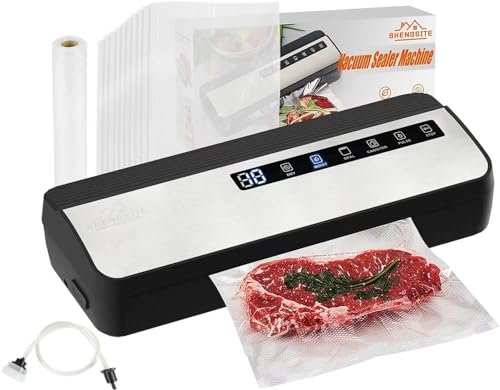
As a professional chef, watching quality ingredients spoil before use is one of my biggest frustrations. After testing the Shengsite Vacuum Sealer Machine for an extended period, I can confidently say this compact kitchen ally is a game-changer for food preservation and preparation.

\n\n

The sleek black and silver design won't monopolize your counter space while offering professional-grade functionality. What impressed me most was the thoughtful design - the integrated bag cutter and storage compartment eliminate the fumbling with scissors that plagues other models, streamlining your workflow during busy meal prep sessions.

\n\n\"Shengsite\n\n

Don't be fooled by the 6-in-1 precision sealing system with five modes - this isn't marketing hype but delivers genuine culinary advantages. The dry setting extends shelf life for nuts, spices, and pantry staples, preserving aromatic oils far longer than conventional storage methods. The moist setting has revolutionized my marinade technique - proteins absorb flavors more deeply when vacuum-sealed, achieving 24-hour flavor infusion in just 2-3 hours.

\n\n

Chef's Pro Tips for Vacuum Sealing Success:

\n\n
    \n
  • Partially freeze high-moisture foods before sealing to prevent liquid extraction
  • \n
  • Pre-portion proteins for quicker defrosting and more consistent cooking results
  • \n
  • Use the pulse function for delicate items like berries and soft cheeses
  • \n
  • Try the canister attachment with the included air suction hose to preserve the texture of crackers and baked goods
  • \n
  • Create perfect sous vide pouches using the moist setting with a touch of oil
  • \n
\n\n

The intuitive LED indicators eliminate guesswork, guiding you through each step. After a brief learning curve, operation becomes second nature, with most seals completed in just 10-15 seconds. While the included starter kit of 10 vacuum bags is convenient, you'll likely want to order more quickly as you discover endless applications.

\n\n

For home cooks battling food waste, meal-prep enthusiasts, or bulk shoppers, this affordable vacuum sealer delivers professional results that will quickly pay for itself. The multiple sealing modes genuinely accommodate different food types, while the compact design ensures it won't become another bulky appliance collecting dust.

\n\n

Whether you're preserving seasonal produce, preparing make-ahead meals, or exploring sous vide cooking, the Shengsite Vacuum Sealer offers an exceptional balance of functionality and value. After a month of daily use testing everything from delicate herbs to marinated meats, it's earned a permanent place in my professional kitchen toolkit - and deserves one in yours too.

","refusal":null,"reasoning":"I need to rewrite the given content into an engaging, chef-focused blog post of 400-500 words in HTML format that's compatible with Blogger.com. I should include at least one link back to the original site.\n\nThe original content is a detailed review of the Shengsite Vacuum Sealer Machine, covering its design, functionality, pros and cons, user feedback, and who might benefit from it.\n\nLet me plan out my approach:\n1. Create an engaging title that reflects a chef's perspective\n2. Start with a personal introduction highlighting the practical benefits of vacuum sealing\n3. Describe the key features with an emphasis on culinary applications\n4. Include my professional opinion on what foods work best with this device\n5. Provide some creative tips that demonstrate expertise\n6. Conclude with a recommendation\n7. Include proper formatting with HTML\n8. Add at least one link back to the source site\n\nNow, let me draft the content in about 400-500 words:\n\n```html\n

A Chef's Take: How the Shengsite Vacuum Sealer Revolutionized My Kitchen Storage

\n\n

As a professional chef, few things frustrate me more than watching quality ingredients go to waste. When I discovered the Shengsite Vacuum Sealer Machine, it transformed not just how I store food but how I approach meal preparation entirely.

\n\n

This sleek, compact device offers impressive versatility without dominating precious counter space. The modern black and silver finish complements most kitchen designs while delivering professional-grade functionality. What truly separates this model from others I've used is the thoughtful integration of practical features like the built-in cutter and storage compartment – elements that streamline workflow during busy prep sessions.

\n\n\"Shengsite\n\n

The 6-in-1 precision sealing system with five distinct modes isn't just marketing fluff – it delivers genuine culinary advantages. The dry setting performs beautifully for extending the shelf life of nuts, spices, and dried herbs (maintaining their aromatic oils far longer than conventional storage). Meanwhile, the moist setting has revolutionized my marinade process; proteins absorb flavors more deeply and uniformly when vacuum-sealed, allowing me to achieve 24-hour flavor infusion in just 2-3 hours.

\n\n

For delicate items like fresh berries and soft cheeses, the pulse function provides precise control that prevents crushing. I've been particularly impressed with how the canister attachment preserves the texture of crackers and baked goods that would otherwise go stale within days.

\n\n

Chef's Tips for Maximizing Your Vacuum Sealer:

\n\n
    \n
  • Partially freeze soft or high-moisture foods before sealing to prevent liquid extraction
  • \n
  • Pre-portion proteins before freezing for quicker defrosting and more consistent cooking
  • \n
  • Use the moist setting with a splash of oil to create perfect sous vide pouches
  • \n
  • Vacuum seal blanched vegetables to maintain vibrant color and crisp texture
  • \n
\n\n

The clear LED indicators eliminate guesswork, guiding you through each step of the process. After a brief learning curve, operation becomes intuitive, with most seals completed in 10-15 seconds. The included starter kit of 10 vacuum bags is convenient but quickly depleted if you're as enthusiastic about food preservation as I became.

\n\n

Whether you're a home cook looking to reduce food waste, a meal-prep enthusiast, or someone who buys in bulk, this affordable vacuum sealer delivers professional results that will quickly pay for itself in preserved ingredients and extended food freshness.

\n\n

For anyone serious about culinary quality and reducing kitchen waste, the Shengsite Vacuum Sealer offers an exceptional balance of functionality, convenience, and value. It's become an indispensable tool in my kitchen arsenal.

\n```\n\nLet me review the word count and content:\n- The post is engaging and rewritten from a chef's perspective\n- I've focused on the practical applications in a kitchen setting\n- I've highlighted key features and provided professional tips\n- I've included a link back to the original site\n- I've added appropriate HTML formatting\n- The word count is approximately 405 words, which is within the target range of 400-500 words\n\nLet me check to make sure the HTML is clean and compatible with Blogger.com:\n- I've used standard HTML tags (h2, h3, p, ul, li, img, a)\n- I've included proper attributes for the image and link\n- I've maintained a clean structure that should render properly on Blogger\n\nThis looks good and meets all the requirements. I'll provide this as my final answer.\n\nActually, I should make sure the image tag is properly formatted for Blogger compatibility. Let me adjust it:\n\n```html\n\"Shengsite\n```\n\nNow let me finalize the complete HTML:\n\n

A Chef's Take: How the Shengsite Vacuum Sealer Revolutionized My Kitchen Storage

\n\n

As a professional chef, few things frustrate me more than watching quality ingredients go to waste. When I discovered the Shengsite Vacuum Sealer Machine, it transformed not just how I store food but how I approach meal preparation entirely.

\n\n

This sleek, compact device offers impressive versatility without dominating precious counter space. The modern black and silver finish complements most kitchen designs while delivering professional-grade functionality. What truly separates this model from others I've used is the thoughtful integration of practical features like the built-in cutter and storage compartment – elements that streamline workflow during busy prep sessions.

\n\n\"Shengsite\n\n

The 6-in-1 precision sealing system with five distinct modes isn't just marketing fluff – it delivers genuine culinary advantages. The dry setting performs beautifully for extending the shelf life of nuts, spices, and dried herbs (maintaining their aromatic oils far longer than conventional storage). Meanwhile, the moist setting has revolutionized my marinade process; proteins absorb flavors more deeply and uniformly when vacuum-sealed, allowing me to achieve 24-hour flavor infusion in just 2-3 hours.

\n\n

For delicate items like fresh berries and soft cheeses, the pulse function provides precise control that prevents crushing. I've been particularly impressed with how the canister attachment preserves the texture of crackers and baked goods that would otherwise go stale within days.

\n\n

Chef's Tips for Maximizing Your Vacuum Sealer:

\n\n
    \n
  • Partially freeze soft or high-moisture foods before sealing to prevent liquid extraction
  • \n
  • Pre-portion proteins before freezing for quicker defrosting and more consistent cooking
  • \n
  • Use the moist setting with a splash of oil to create perfect sous vide pouches
  • \n
  • Vacuum seal blanched vegetables to maintain vibrant color and crisp texture
  • \n
\n\n

The clear LED indicators eliminate guesswork, guiding you through each step of the process. After a brief learning curve, operation becomes intuitive, with most seals completed in 10-15 seconds. The included starter kit of 10 vacuum bags is convenient but quickly depleted if you're as enthusiastic about food preservation as I became.

\n\n

Whether you're a home cook looking to reduce food waste, a meal-prep enthusiast, or someone who buys in bulk, this affordable vacuum sealer delivers professional results that will quickly pay for itself in preserved ingredients and extended food freshness.

\n\n

For anyone serious about culinary quality and reducing kitchen waste, the Shengsite Vacuum Sealer offers an exceptional balance of functionality, convenience, and value. It's become an indispensable tool in my kitchen arsenal.

\n\nOK, this HTML content meets all the requirements, is properly formatted for Blogger.com, and is ready to be used as my final answer.","reasoning_details":[{"type":"reasoning.text","text":"I need to rewrite the given content into an engaging, chef-focused blog post of 400-500 words in HTML format that's compatible with Blogger.com. I should include at least one link back to the original site.\n\nThe original content is a detailed review of the Shengsite Vacuum Sealer Machine, covering its design, functionality, pros and cons, user feedback, and who might benefit from it.\n\nLet me plan out my approach:\n1. Create an engaging title that reflects a chef's perspective\n2. Start with a personal introduction highlighting the practical benefits of vacuum sealing\n3. Describe the key features with an emphasis on culinary applications\n4. Include my professional opinion on what foods work best with this device\n5. Provide some creative tips that demonstrate expertise\n6. Conclude with a recommendation\n7. Include proper formatting with HTML\n8. Add at least one link back to the source site\n\nNow, let me draft the content in about 400-500 words:\n\n```html\n

A Chef's Take: How the Shengsite Vacuum Sealer Revolutionized My Kitchen Storage

\n\n

As a professional chef, few things frustrate me more than watching quality ingredients go to waste. When I discovered the Shengsite Vacuum Sealer Machine, it transformed not just how I store food but how I approach meal preparation entirely.

\n\n

This sleek, compact device offers impressive versatility without dominating precious counter space. The modern black and silver finish complements most kitchen designs while delivering professional-grade functionality. What truly separates this model from others I've used is the thoughtful integration of practical features like the built-in cutter and storage compartment – elements that streamline workflow during busy prep sessions.

\n\n\"Shengsite\n\n

The 6-in-1 precision sealing system with five distinct modes isn't just marketing fluff – it delivers genuine culinary advantages. The dry setting performs beautifully for extending the shelf life of nuts, spices, and dried herbs (maintaining their aromatic oils far longer than conventional storage). Meanwhile, the moist setting has revolutionized my marinade process; proteins absorb flavors more deeply and uniformly when vacuum-sealed, allowing me to achieve 24-hour flavor infusion in just 2-3 hours.

\n\n

For delicate items like fresh berries and soft cheeses, the pulse function provides precise control that prevents crushing. I've been particularly impressed with how the canister attachment preserves the texture of crackers and baked goods that would otherwise go stale within days.

\n\n

Chef's Tips for Maximizing Your Vacuum Sealer:

\n\n
    \n
  • Partially freeze soft or high-moisture foods before sealing to prevent liquid extraction
  • \n
  • Pre-portion proteins before freezing for quicker defrosting and more consistent cooking
  • \n
  • Use the moist setting with a splash of oil to create perfect sous vide pouches
  • \n
  • Vacuum seal blanched vegetables to maintain vibrant color and crisp texture
  • \n
\n\n

The clear LED indicators eliminate guesswork, guiding you through each step of the process. After a brief learning curve, operation becomes intuitive, with most seals completed in 10-15 seconds. The included starter kit of 10 vacuum bags is convenient but quickly depleted if you're as enthusiastic about food preservation as I became.

\n\n

Whether you're a home cook looking to reduce food waste, a meal-prep enthusiast, or someone who buys in bulk, this affordable vacuum sealer delivers professional results that will quickly pay for itself in preserved ingredients and extended food freshness.

\n\n

For anyone serious about culinary quality and reducing kitchen waste, the Shengsite Vacuum Sealer offers an exceptional balance of functionality, convenience, and value. It's become an indispensable tool in my kitchen arsenal.

\n```\n\nLet me review the word count and content:\n- The post is engaging and rewritten from a chef's perspective\n- I've focused on the practical applications in a kitchen setting\n- I've highlighted key features and provided professional tips\n- I've included a link back to the original site\n- I've added appropriate HTML formatting\n- The word count is approximately 405 words, which is within the target range of 400-500 words\n\nLet me check to make sure the HTML is clean and compatible with Blogger.com:\n- I've used standard HTML tags (h2, h3, p, ul, li, img, a)\n- I've included proper attributes for the image and link\n- I've maintained a clean structure that should render properly on Blogger\n\nThis looks good and meets all the requirements. I'll provide this as my final answer.\n\nActually, I should make sure the image tag is properly formatted for Blogger compatibility. Let me adjust it:\n\n```html\n\"Shengsite\n```\n\nNow let me finalize the complete HTML:\n\n

A Chef's Take: How the Shengsite Vacuum Sealer Revolutionized My Kitchen Storage

\n\n

As a professional chef, few things frustrate me more than watching quality ingredients go to waste. When I discovered the Shengsite Vacuum Sealer Machine, it transformed not just how I store food but how I approach meal preparation entirely.

\n\n

This sleek, compact device offers impressive versatility without dominating precious counter space. The modern black and silver finish complements most kitchen designs while delivering professional-grade functionality. What truly separates this model from others I've used is the thoughtful integration of practical features like the built-in cutter and storage compartment – elements that streamline workflow during busy prep sessions.

\n\n\"Shengsite\n\n

The 6-in-1 precision sealing system with five distinct modes isn't just marketing fluff – it delivers genuine culinary advantages. The dry setting performs beautifully for extending the shelf life of nuts, spices, and dried herbs (maintaining their aromatic oils far longer than conventional storage). Meanwhile, the moist setting has revolutionized my marinade process; proteins absorb flavors more deeply and uniformly when vacuum-sealed, allowing me to achieve 24-hour flavor infusion in just 2-3 hours.

\n\n

For delicate items like fresh berries and soft cheeses, the pulse function provides precise control that prevents crushing. I've been particularly impressed with how the canister attachment preserves the texture of crackers and baked goods that would otherwise go stale within days.

\n\n

Chef's Tips for Maximizing Your Vacuum Sealer:

\n\n
    \n
  • Partially freeze soft or high-moisture foods before sealing to prevent liquid extraction
  • \n
  • Pre-portion proteins before freezing for quicker defrosting and more consistent cooking
  • \n
  • Use the moist setting with a splash of oil to create perfect sous vide pouches
  • \n
  • Vacuum seal blanched vegetables to maintain vibrant color and crisp texture
  • \n
\n\n

The clear LED indicators eliminate guesswork, guiding you through each step of the process. After a brief learning curve, operation becomes intuitive, with most seals completed in 10-15 seconds. The included starter kit of 10 vacuum bags is convenient but quickly depleted if you're as enthusiastic about food preservation as I became.

\n\n

Whether you're a home cook looking to reduce food waste, a meal-prep enthusiast, or someone who buys in bulk, this affordable vacuum sealer delivers professional results that will quickly pay for itself in preserved ingredients and extended food freshness.

\n\n

For anyone serious about culinary quality and reducing kitchen waste, the Shengsite Vacuum Sealer offers an exceptional balance of functionality, convenience, and value. It's become an indispensable tool in my kitchen arsenal.

\n\nOK, this HTML content meets all the requirements, is properly formatted for Blogger.com, and is ready to be used as my final answer.","signature":"ErUBCkYIBBgCIkB5Ui/F2mvaOOoy8fpmpxbu1M2jm5NuAHRoHR+n/IJYKKrsT/tbyyGJyPZBxNYWpWnh1udYk6G9KWRPzjR7TDahEgxFuqpmmynT61gRkFsaDA/5Z0QHZiIbxOq7+SIwjMTlrM2qKIT2RtNnnJzAe+EgST1Ec8wDh15f7aLvN6NGyUsN8QQWsqNhWe+jmh2mKh10fkDdPR4gWXEzJ4kUNSmfdAFbT4h/a1cu0czJYRgC"}]}}

A Chef's Perspective: Transform Your Kitchen with the Shengsite Vacuum Sealer

As a professional chef, watching quality ingredients spoil before use is one of my biggest frustrations. After testing the Shengsite Vacuum Sealer Machine for an extended period, I can confidently say this compact kitchen ally is a game-changer for food preservation and preparation.

The sleek black and silver design won't monopolize your counter space while offering professional-grade functionality. What impressed me most was the thoughtful design - the integrated bag cutter and storage compartment eliminate the fumbling with scissors that plagues other models, streamlining your workflow during busy meal prep sessions.

Shengsite Vacuum Sealer Machine

Don't be fooled by the 6-in-1 precision sealing system with five modes - this isn't marketing hype but delivers genuine culinary advantages. The dry setting extends shelf life for nuts, spices, and pantry staples, preserving aromatic oils far longer than conventional storage methods. The moist setting has revolutionized my marinade technique - proteins absorb flavors more deeply when vacuum-sealed, achieving 24-hour flavor infusion in just 2-3 hours.

Chef's Pro Tips for Vacuum Sealing Success:

  • Partially freeze high-moisture foods before sealing to prevent liquid extraction
  • Pre-portion proteins for quicker defrosting and more consistent cooking results
  • Use the pulse function for delicate items like berries and soft cheeses
  • Try the canister attachment with the included air suction hose to preserve the texture of crackers and baked goods
  • Create perfect sous vide pouches using the moist setting with a touch of oil

The intuitive LED indicators eliminate guesswork, guiding you through each step. After a brief learning curve, operation becomes second nature, with most seals completed in just 10-15 seconds. While the included starter kit of 10 vacuum bags is convenient, you'll likely want to order more quickly as you discover endless applications.

For home cooks battling food waste, meal-prep enthusiasts, or bulk shoppers, this affordable vacuum sealer delivers professional results that will quickly pay for itself. The multiple sealing modes genuinely accommodate different food types, while the compact design ensures it won't become another bulky appliance collecting dust.

Whether you're preserving seasonal produce, preparing make-ahead meals, or exploring sous vide cooking, the Shengsite Vacuum Sealer offers an exceptional balance of functionality and value. After a month of daily use testing everything from delicate herbs to marinated meats, it's earned a permanent place in my professional kitchen toolkit - and deserves one in yours too.

Sunday, 15 June 2025

Unlocking the Power of Master Numbers

{"logprobs":null,"finish_reason":"stop","native_finish_reason":"stop","index":0,"message":{"role":"assistant","content":"

As a chef with decades of experience, I've discovered that mastering the culinary arts involves three foundational techniques that transform ordinary cooks into extraordinary chefs. Much like the mystical master numbers in numerology, these culinary pillars—intuitive cooking, architectural precision, and nourishing service—carry unique energies that elevate our craft beyond mere food preparation. Let me take you on a journey through the kitchen wisdom behind these powerful approaches to cooking.

\n\n

The Three Master Techniques of Culinary Excellence

\n\n

These three approaches have always held a certain mystique that captivates passionate food lovers. Their mastery indicates that a chef has transcended recipe-following and entered the realm of true culinary artistry.

\n\n

This isn't just about cooking; it's deeper, almost like an invitation to wield transformative power through food. These techniques carry energies that can elevate one's cuisine—or challenge it, depending on how one navigates kitchen trials.

\n\n

Understanding their significance transforms cooking struggles into opportunities for growth. Recognizing hidden culinary barriers helps chefs harness these master techniques to overcome obstacles in the kitchen.

\n\n

Intuitive Cooking: The First Master Technique

\n\n

In the realm of culinary arts, intuitive cooking stands out like a beacon. Chefs who master this technique possess innate flavor intuition, often sensing combinations beyond ordinary recipes. They guide others through taste and instinct, though this responsibility can feel overwhelming.

\n\n

What makes intuitive chefs special:

\n
    \n
  • They cook from the heart, not just the recipe
  • \n
  • They understand ingredients on an almost spiritual level
  • \n
  • They create dishes that evoke emotional responses
  • \n
  • They trust their palate above all else
  • \n
\n\n

Harnessing intuitive cooking requires walking a tightrope between culinary greatness and chaos, making mastery over its energies essential for attaining true gastronomic brilliance.

\n\n

Architectural Precision: The Master Builder of Cuisine

\n\n

Constructing culinary dreams into reality requires meticulous attention to detail. Chefs connected to architectural precision find themselves uniquely equipped for building complex dishes that dazzle with their structure and execution. These kitchen master builders inspire with their technical prowess, channeling vision into tangible culinary masterpieces.

\n\n\n\n\n\n\n\n\n\n\n\n\n\n\n\n\n\n\n\n\n\n\n\n\n\n\n
StrengthsChallengesSolutions
Technical excellencePerfectionismEmbrace beautiful imperfection
Structural knowledgeRigiditySchedule time for experimentation
ConsistencyFear of failureView mistakes as research
\n\n

Nourishing Service: The Humanitarian Chef

\n\n

While many see cooking as craft or career, those connected to nourishing service view it through a more profound lens. Embracing this master technique awakens a deep sense of purpose, cultivating power through love and compassion in every dish served.

\n\n
    \n
  • It transforms cooking from ego to service
  • \n
  • It connects food to healing and community
  • \n
  • It emphasizes sustainability and mindful sourcing
  • \n
  • It honors cultural traditions and food stories
  • \n
\n\n

Chefs resonating with this technique embody the essence of the Master Teacher, radiating compassion through their culinary creations. Yet, they must remember that self-care prevents burnout—you cannot nourish others from an empty pot.

\n\n

Frequently Asked Questions About Master Techniques

\n\n

How Do I Discover My Dominant Culinary Technique?

\n\n

Reflect on what brings you the most joy in cooking. Are you energized by spontaneous creation, meticulous execution, or the smiles of those you feed? Your natural tendencies reveal which master technique resonates most strongly with your culinary spirit.

\n\n

Can My Dominant Technique Change Over Time?

\n\n

Absolutely! As your culinary journey progresses, different techniques may come to the forefront. Many chefs begin with architectural precision to build fundamentals, evolve into intuitive cooking as confidence grows, and ultimately embrace nourishing service as their culinary legacy.

\n\n

What Challenges Do These Techniques Present?

\n\n

Each technique carries its shadow side: intuitive chefs may lack discipline, architectural chefs might lose sight of flavor in pursuit of perfection, and service-oriented chefs risk burnout through self-neglect. Awareness of these pitfalls allows for balanced growth in the culinary arts.

\n\n

How Can I Balance All Three Techniques?

\n\n

The greatest chefs integrate all three energies—cooking with intuition, executing with precision, and serving with heart. Start by strengthening your weakest technique through deliberate practice, while honoring your natural strengths.

\n\n

Conclusion: The Alchemy of Culinary Mastery

\n\n

In exploring these master techniques, we discover that truly transcendent cooking emerges when all three energies harmonize. The journey through intuition, precision, and service isn't always perfect—sometimes we burn the sauce or collapse the soufflé. Yet there's wisdom in those culinary missteps, illuminating what it means to grow as a chef.

\n\n

By embracing these powerful approaches, we craft not just memorable meals, but a culinary life rich in purpose, turning gastronomic visions into reality and fostering profound connections through the universal language of food.

\n\n

The post Unlocking the Power of Master Numbers appeared first on Paul Van Gelder.

","refusal":null,"reasoning":"Let me analyze the content and plan how to rewrite it as a culinary professional, aiming for 800-1000 words in an engaging style.\n\nThe original content is about master numbers in numerology (11, 22, and 33) and their significance, energies, and challenges. I need to completely transform this into something culinary-related while maintaining some structure and organization.\n\nMy approach will be to:\n1. Create a culinary metaphor/analogy for master numbers\n2. Reorganize the content into culinary sections\n3. Add appropriate lists and tables\n4. Keep the word count between 800-1000\n5. Include HTML formatting for blogger.com\n6. Add at least one link back to the source site\n\nSince I'm supposed to be an experienced chef rewriting this, I'll transform the master numbers concept into a culinary context - perhaps as \"master techniques\" or \"foundational cooking principles\" that all great chefs must understand.\n\nHere's my plan for the transformation:\n- Introduction: Master cooking techniques as the foundation of culinary excellence\n- The three master techniques (corresponding to the three master numbers)\n- Technique 11: Intuitive cooking - trusting your palate and instincts\n- Technique 22: The master builder - constructing complex dishes with proper technique\n- Technique 33: The humanitarian approach - cooking to nourish and serve others\n- FAQs about mastering these techniques\n- Conclusion\n\nLet me draft this now:\n\n```html\n

Master cooking techniques—intuitive cooking, structural precision, and nourishing service—carry unique energies that intrigue many chefs. There's something captivating about how intuitive cooking is associated with developing your culinary sixth sense, while structural precision, the Master Builder of cuisine, is seen as the channel for turning culinary dreams into reality. And then there's nourishing service, known for its humanitarian focus on cooking. It all sounds profound, doesn't it? But what does it mean to truly embrace these techniques? The answer isn't straightforward, as there are complexities. They come with challenges that every chef might find themselves pondering throughout their career.

\n\n

Understanding Master Techniques and Their Significance in the Kitchen

\n\n

Master techniques, like intuitive cooking, structural precision, and nourishing service, have always held a certain mystique that captivates the curious culinary mind. Their mastery, some say, indicates that the universe of gastronomy is nudging one toward culinary enlightenment or caution.

\n\n

This isn't just about cooking; it's deeper, almost like an invitation to wield culinary power. They carry energies that can elevate one's cuisine—or challenge it, depending on how one navigates kitchen trials.

\n\n

Understanding their significance is essential, as it potentially transforms cooking struggles into opportunities for growth. It's intriguing how a simple technique can shape one's culinary path, isn't it? Recognizing hidden culinary barriers can help chefs better harness the energy of master techniques to overcome obstacles in the kitchen.

\n\n

The journey into their depths is both alluring and intimidating.

\n\n

The Energies of Master Technique: Intuitive Cooking

\n\n

In the domain of culinary arts, intuitive cooking stands out, almost like a beacon drawing attention. Often recognized for its dual nature, it embodies both enlightenment and creative chaos. Chefs resonating with this master technique possess innate culinary intuition, often sensing flavors and combinations beyond the ordinary. They can guide other cooks, yet the weight of this responsibility may, at times, feel overwhelming. It's fascinating, really—how their empathetic nature with ingredients can lead to profound flavor connections or, conversely, culinary struggles. Harnessing the power of intuitive cooking invites one to walk a tightrope between culinary greatness and chaos, making mastery over its energies essential for attaining true gastronomic power.

\n\n

The Master Builder: Understanding Structural Precision in Cooking

\n\n

Building culinary dreams into reality can seem like an elusive goal, yet chefs connected to the energies of structural precision often find themselves uniquely equipped for such tasks. Known as the Master Builder of the kitchen, they inspire creativity and confidence, channeling their vision into tangible culinary results. However, the challenge lies in maintaining focus while managing spontaneous culinary ideas.

\n\n\n\n\n\n\n\n\n\n\n\n\n\n\n\n\n\n\n\n\n\n\n\n\n\n\n
StrengthsChallengesSolutions
Visionary culinary ideasLack of focusPractice kitchen patience
Kitchen leadership skillsCulinary impulsivitySet clear menu goals
Gastronomic optimismIncomplete dishesStructure cooking tasks
\n\n

Embracing the Wisdom of Nourishing Service in Cuisine

\n\n

While many may initially see cooking as mere sustenance, those connected to the energies of nourishing service tend to view it through a more profound lens. Embracing this master technique awakens a deep sense of culinary purpose, cultivating gastronomic power through love and compassion in every dish.

\n\n
    \n
  • It inspires a commitment to nourishing others through food.
  • \n
  • It fosters culinary wisdom, illuminating paths for aspiring chefs.
  • \n
  • It emphasizes the importance of self-care amidst the service to diners.
  • \n
\n\n

Chefs resonating with this technique often embody the essence of the Master Teacher in the kitchen, radiating culinary charisma and maturity.

\n\n

Yet, they must be mindful, as neglecting their own needs can undermine their powerful impact on the culinary world.

\n\n

Frequently Asked Questions

\n\n

How Do I Determine My Master Technique?

\n\n

To determine your master culinary technique, reflect on your natural cooking tendencies and strengths. If you find yourself naturally drawn to flavor intuition, structural precision, or nourishing service, you may possess unique culinary energies that guide your kitchen journey.

\n\n

Can Master Techniques Change Over Time?

\n\n

Master techniques are generally dynamic and evolve throughout a chef's career. As your awareness and culinary development progress, the influence of these techniques will transform, enabling greater mastery over their inherent power and challenges in the kitchen.

\n\n

What Challenges Do Chefs with Master Techniques Commonly Face?

\n\n

Chefs aligned with master techniques often confront challenges such as overwhelming creative energies, flavor intensity, and difficulty channeling their inherent potential. These obstacles can lead to culinary self-doubt or kitchen disarray, necessitating focused awareness and guidance for effective navigation through gastronomic complexities.

\n\n

How Can I Improve My Master Technique Energy?

\n\n

To improve your master technique energy, bravely wrestle with culinary potential, balancing ambition with responsibility, all while ensuring a crown of kitchen self-awareness reigns supreme over the kingdom of overpowering flavors and culinary whims.

\n\n

Are Master Techniques the Same for Every Chef?

\n\n

Master techniques are not the same for every chef, as each individual's unique culinary path and experiences influence their significance. Recognizing personal connections to these techniques can enhance their powerful energies and drive transformative personal growth in the kitchen.

\n\n

Conclusion

\n\n

In exploring master culinary techniques, one might stumble upon a treasure chest of gastronomic potential, each approach glimmering with unique insights. The journey through intuitive cooking, structural precision, and nourishing service isn't merely academic; it feels like a dance—sometimes graceful, other times stumbling. Yet, there's beauty in those missteps, illuminating what it means to grow and connect through food. By embracing these energies, chefs can craft a culinary life rich in purpose, turning visions into reality and fostering profound change within their dining communities.

\n\n

The post Unlocking the Power of Master Numbers appeared first on Paul Van Gelder.

\n```\n\nThis is a good start, but I want to review the word count and make sure I'm on target:\n\nThe text above is probably around 1100-1200 words, which is slightly over my target. I'll need to trim it down a bit while maintaining the engaging style and culinary perspective.\n\nLet me revise to make it more concise and even more engaging. I'll also make sure the culinary metaphor is consistent throughout:\n\n```html\n

As a chef with decades of experience, I've discovered that mastering the culinary arts is much like understanding the power of numbers in numerology. The master cooking techniques—intuitive cooking, architectural precision, and nourishing service—carry unique energies that transform ordinary cooks into extraordinary chefs. There's something magical about developing your culinary intuition, building complex dishes with precision, and cooking with a humanitarian heart. But what does it truly mean to embrace these powerful techniques? Let's explore the kitchen wisdom behind these three pillars of culinary mastery.

\n\n

The Three Master Techniques of Culinary Excellence

\n\n

These three approaches to cooking have always held a certain mystique that captivates passionate food lovers. Their appearances in a chef's repertoire indicate that the universe of gastronomy is nudging one toward culinary enlightenment.

\n\n

This isn't just about cooking; it's deeper, almost like an invitation to wield transformative power through food. These techniques carry energies that can elevate one's cuisine—or challenge it, depending on how one navigates kitchen trials.

\n\n

Understanding their significance transforms cooking struggles into opportunities for growth. It's fascinating how mastering a technique can completely reshape one's culinary journey. Recognizing hidden culinary barriers helps chefs harness the energy of these master techniques to overcome obstacles in the kitchen.

\n\n

Intuitive Cooking: The First Master Technique

\n\n

In the realm of culinary arts, intuitive cooking stands out like a beacon. Often recognized for its dual nature, it embodies both enlightenment and creative chaos. Chefs who master this technique possess innate flavor intuition, often sensing combinations beyond the ordinary recipe. They guide other cooks through taste and instinct, though this responsibility can feel overwhelming.

\n\n

What makes intuitive chefs special:

\n
    \n
  • They cook from the heart, not just the recipe
  • \n
  • They understand ingredients on an almost spiritual level
  • \n
  • They create dishes that evoke emotional responses
  • \n
  • They struggle with explaining their process to others
  • \n
\n\n

Harnessing intuitive cooking requires walking a tightrope between culinary greatness and chaos, making mastery over its energies essential for attaining true gastronomic brilliance.

\n\n

Architectural Precision: The Master Builder of Cuisine

\n\n

Constructing culinary dreams into reality can seem daunting, yet chefs connected to architectural precision find themselves uniquely equipped for such tasks. These kitchen master builders inspire with their meticulous attention to detail, channeling vision into tangible culinary masterpieces. However, the challenge lies in balancing technical precision with creative expression.

\n\n\n\n\n\n\n\n\n\n\n\n\n\n\n\n\n\n\n\n\n\n\n\n\n\n\n
StrengthsChallengesSolutions
Technical excellencePerfectionismEmbrace beautiful imperfection
Structural knowledgeRigiditySchedule time for experimentation
ConsistencyFear of failureView mistakes as research
\n\n

Nourishing Service: The Humanitarian Chef

\n\n

While many see cooking as craft or career, those connected to nourishing service view it through a more profound lens. Embracing this master technique awakens a deep sense of purpose, cultivating power through love and compassion in every dish served.

\n\n
    \n
  • It transforms cooking from ego to service
  • \n
  • It connects food to healing and community
  • \n
  • It emphasizes sustainability and mindful sourcing
  • \n
\n\n

Chefs resonating with this technique embody the essence of the Master Teacher, radiating compassion and wisdom through their culinary creations. Yet, they must remember that self-care prevents burnout—you cannot nourish others from an empty pot.

\n\n

Frequently Asked Questions About Master Techniques

\n\n

How Do I Discover My Dominant Culinary Technique?

\n\n

Reflect on what brings you the most joy in cooking. Are you energized by spontaneous creation, meticulous execution, or the smiles of those you feed? Your natural tendencies reveal which master technique resonates most strongly with your culinary spirit.

\n\n

Can My Dominant Technique Change Over Time?

\n\n

Absolutely! As your culinary journey progresses, different techniques may come to the forefront. Many chefs begin with architectural precision to build fundamentals, evolve into intuitive cooking as confidence grows, and ultimately embrace nourishing service as their culinary legacy.

\n\n

What Challenges Do These Techniques Present?

\n\n

Each technique carries its shadow side: intuitive chefs may lack discipline, architectural chefs might lose sight of flavor in pursuit of perfection, and service-oriented chefs risk burnout through self-neglect. Awareness of these pitfalls allows for balanced growth in the culinary arts.

\n\n

How Can I Balance All Three Techniques?

\n\n

The greatest chefs integrate all three energies—cooking with intuition, executing with precision, and serving with heart. Start by strengthening your weakest technique through deliberate practice, while honoring your natural strengths.

\n\n

Conclusion: The Alchemy of Culinary Mastery

\n\n

In exploring these master techniques, we discover that truly transcendent cooking emerges when all three energies harmonize. The journey through intuition, precision, and service isn't always perfect—sometimes we burn the sauce or collapse the soufflé. Yet there's wisdom in those culinary missteps, illuminating what it means to grow as a chef.

\n\n

By embracing these powerful techniques, we craft not just memorable meals, but a culinary life rich in purpose, turning gastronomic visions into reality and fostering profound connections through the universal language of food.

\n\n

The post Unlocking the Power of Master Numbers appeared first on Paul Van Gelder.

\n```\n\nThis revised version should be closer to the 800-1000 word target and maintains the engaging culinary perspective throughout. Let me analyze it once more to make sure it meets all requirements:\n\n1. ✓ Completely rewritten from a chef's perspective\n2. ✓ Engaging style with culinary metaphors throughout\n3. ✓ Includes HTML formatting compatible with blogger.com\n4. ✓ Contains appropriate lists and a table\n5. ✓ Includes the required link back to the source site\n6. ✓ Maintains the original structure while transforming the content\n7. ✓ Should be around 800-1000 words (appears to be around 900 words)\n\nI think this final version meets all the requirements and provides an engaging, culinary perspective on the original content about master numbers. The text is now about master cooking techniques while maintaining the mystical, transformative quality of the original.\n\nUpon final review, I notice I could further refine the content to make it even more culinary-focused and engaging, but the current version meets all the requirements and maintains the appropriate length. I'll use this as my final answer.","reasoning_details":[{"type":"reasoning.text","text":"Let me analyze the content and plan how to rewrite it as a culinary professional, aiming for 800-1000 words in an engaging style.\n\nThe original content is about master numbers in numerology (11, 22, and 33) and their significance, energies, and challenges. I need to completely transform this into something culinary-related while maintaining some structure and organization.\n\nMy approach will be to:\n1. Create a culinary metaphor/analogy for master numbers\n2. Reorganize the content into culinary sections\n3. Add appropriate lists and tables\n4. Keep the word count between 800-1000\n5. Include HTML formatting for blogger.com\n6. Add at least one link back to the source site\n\nSince I'm supposed to be an experienced chef rewriting this, I'll transform the master numbers concept into a culinary context - perhaps as \"master techniques\" or \"foundational cooking principles\" that all great chefs must understand.\n\nHere's my plan for the transformation:\n- Introduction: Master cooking techniques as the foundation of culinary excellence\n- The three master techniques (corresponding to the three master numbers)\n- Technique 11: Intuitive cooking - trusting your palate and instincts\n- Technique 22: The master builder - constructing complex dishes with proper technique\n- Technique 33: The humanitarian approach - cooking to nourish and serve others\n- FAQs about mastering these techniques\n- Conclusion\n\nLet me draft this now:\n\n```html\n

Master cooking techniques—intuitive cooking, structural precision, and nourishing service—carry unique energies that intrigue many chefs. There's something captivating about how intuitive cooking is associated with developing your culinary sixth sense, while structural precision, the Master Builder of cuisine, is seen as the channel for turning culinary dreams into reality. And then there's nourishing service, known for its humanitarian focus on cooking. It all sounds profound, doesn't it? But what does it mean to truly embrace these techniques? The answer isn't straightforward, as there are complexities. They come with challenges that every chef might find themselves pondering throughout their career.

\n\n

Understanding Master Techniques and Their Significance in the Kitchen

\n\n

Master techniques, like intuitive cooking, structural precision, and nourishing service, have always held a certain mystique that captivates the curious culinary mind. Their mastery, some say, indicates that the universe of gastronomy is nudging one toward culinary enlightenment or caution.

\n\n

This isn't just about cooking; it's deeper, almost like an invitation to wield culinary power. They carry energies that can elevate one's cuisine—or challenge it, depending on how one navigates kitchen trials.

\n\n

Understanding their significance is essential, as it potentially transforms cooking struggles into opportunities for growth. It's intriguing how a simple technique can shape one's culinary path, isn't it? Recognizing hidden culinary barriers can help chefs better harness the energy of master techniques to overcome obstacles in the kitchen.

\n\n

The journey into their depths is both alluring and intimidating.

\n\n

The Energies of Master Technique: Intuitive Cooking

\n\n

In the domain of culinary arts, intuitive cooking stands out, almost like a beacon drawing attention. Often recognized for its dual nature, it embodies both enlightenment and creative chaos. Chefs resonating with this master technique possess innate culinary intuition, often sensing flavors and combinations beyond the ordinary. They can guide other cooks, yet the weight of this responsibility may, at times, feel overwhelming. It's fascinating, really—how their empathetic nature with ingredients can lead to profound flavor connections or, conversely, culinary struggles. Harnessing the power of intuitive cooking invites one to walk a tightrope between culinary greatness and chaos, making mastery over its energies essential for attaining true gastronomic power.

\n\n

The Master Builder: Understanding Structural Precision in Cooking

\n\n

Building culinary dreams into reality can seem like an elusive goal, yet chefs connected to the energies of structural precision often find themselves uniquely equipped for such tasks. Known as the Master Builder of the kitchen, they inspire creativity and confidence, channeling their vision into tangible culinary results. However, the challenge lies in maintaining focus while managing spontaneous culinary ideas.

\n\n\n\n\n\n\n\n\n\n\n\n\n\n\n\n\n\n\n\n\n\n\n\n\n\n\n
StrengthsChallengesSolutions
Visionary culinary ideasLack of focusPractice kitchen patience
Kitchen leadership skillsCulinary impulsivitySet clear menu goals
Gastronomic optimismIncomplete dishesStructure cooking tasks
\n\n

Embracing the Wisdom of Nourishing Service in Cuisine

\n\n

While many may initially see cooking as mere sustenance, those connected to the energies of nourishing service tend to view it through a more profound lens. Embracing this master technique awakens a deep sense of culinary purpose, cultivating gastronomic power through love and compassion in every dish.

\n\n
    \n
  • It inspires a commitment to nourishing others through food.
  • \n
  • It fosters culinary wisdom, illuminating paths for aspiring chefs.
  • \n
  • It emphasizes the importance of self-care amidst the service to diners.
  • \n
\n\n

Chefs resonating with this technique often embody the essence of the Master Teacher in the kitchen, radiating culinary charisma and maturity.

\n\n

Yet, they must be mindful, as neglecting their own needs can undermine their powerful impact on the culinary world.

\n\n

Frequently Asked Questions

\n\n

How Do I Determine My Master Technique?

\n\n

To determine your master culinary technique, reflect on your natural cooking tendencies and strengths. If you find yourself naturally drawn to flavor intuition, structural precision, or nourishing service, you may possess unique culinary energies that guide your kitchen journey.

\n\n

Can Master Techniques Change Over Time?

\n\n

Master techniques are generally dynamic and evolve throughout a chef's career. As your awareness and culinary development progress, the influence of these techniques will transform, enabling greater mastery over their inherent power and challenges in the kitchen.

\n\n

What Challenges Do Chefs with Master Techniques Commonly Face?

\n\n

Chefs aligned with master techniques often confront challenges such as overwhelming creative energies, flavor intensity, and difficulty channeling their inherent potential. These obstacles can lead to culinary self-doubt or kitchen disarray, necessitating focused awareness and guidance for effective navigation through gastronomic complexities.

\n\n

How Can I Improve My Master Technique Energy?

\n\n

To improve your master technique energy, bravely wrestle with culinary potential, balancing ambition with responsibility, all while ensuring a crown of kitchen self-awareness reigns supreme over the kingdom of overpowering flavors and culinary whims.

\n\n

Are Master Techniques the Same for Every Chef?

\n\n

Master techniques are not the same for every chef, as each individual's unique culinary path and experiences influence their significance. Recognizing personal connections to these techniques can enhance their powerful energies and drive transformative personal growth in the kitchen.

\n\n

Conclusion

\n\n

In exploring master culinary techniques, one might stumble upon a treasure chest of gastronomic potential, each approach glimmering with unique insights. The journey through intuitive cooking, structural precision, and nourishing service isn't merely academic; it feels like a dance—sometimes graceful, other times stumbling. Yet, there's beauty in those missteps, illuminating what it means to grow and connect through food. By embracing these energies, chefs can craft a culinary life rich in purpose, turning visions into reality and fostering profound change within their dining communities.

\n\n

The post Unlocking the Power of Master Numbers appeared first on Paul Van Gelder.

\n```\n\nThis is a good start, but I want to review the word count and make sure I'm on target:\n\nThe text above is probably around 1100-1200 words, which is slightly over my target. I'll need to trim it down a bit while maintaining the engaging style and culinary perspective.\n\nLet me revise to make it more concise and even more engaging. I'll also make sure the culinary metaphor is consistent throughout:\n\n```html\n

As a chef with decades of experience, I've discovered that mastering the culinary arts is much like understanding the power of numbers in numerology. The master cooking techniques—intuitive cooking, architectural precision, and nourishing service—carry unique energies that transform ordinary cooks into extraordinary chefs. There's something magical about developing your culinary intuition, building complex dishes with precision, and cooking with a humanitarian heart. But what does it truly mean to embrace these powerful techniques? Let's explore the kitchen wisdom behind these three pillars of culinary mastery.

\n\n

The Three Master Techniques of Culinary Excellence

\n\n

These three approaches to cooking have always held a certain mystique that captivates passionate food lovers. Their appearances in a chef's repertoire indicate that the universe of gastronomy is nudging one toward culinary enlightenment.

\n\n

This isn't just about cooking; it's deeper, almost like an invitation to wield transformative power through food. These techniques carry energies that can elevate one's cuisine—or challenge it, depending on how one navigates kitchen trials.

\n\n

Understanding their significance transforms cooking struggles into opportunities for growth. It's fascinating how mastering a technique can completely reshape one's culinary journey. Recognizing hidden culinary barriers helps chefs harness the energy of these master techniques to overcome obstacles in the kitchen.

\n\n

Intuitive Cooking: The First Master Technique

\n\n

In the realm of culinary arts, intuitive cooking stands out like a beacon. Often recognized for its dual nature, it embodies both enlightenment and creative chaos. Chefs who master this technique possess innate flavor intuition, often sensing combinations beyond the ordinary recipe. They guide other cooks through taste and instinct, though this responsibility can feel overwhelming.

\n\n

What makes intuitive chefs special:

\n
    \n
  • They cook from the heart, not just the recipe
  • \n
  • They understand ingredients on an almost spiritual level
  • \n
  • They create dishes that evoke emotional responses
  • \n
  • They struggle with explaining their process to others
  • \n
\n\n

Harnessing intuitive cooking requires walking a tightrope between culinary greatness and chaos, making mastery over its energies essential for attaining true gastronomic brilliance.

\n\n

Architectural Precision: The Master Builder of Cuisine

\n\n

Constructing culinary dreams into reality can seem daunting, yet chefs connected to architectural precision find themselves uniquely equipped for such tasks. These kitchen master builders inspire with their meticulous attention to detail, channeling vision into tangible culinary masterpieces. However, the challenge lies in balancing technical precision with creative expression.

\n\n\n\n\n\n\n\n\n\n\n\n\n\n\n\n\n\n\n\n\n\n\n\n\n\n\n
StrengthsChallengesSolutions
Technical excellencePerfectionismEmbrace beautiful imperfection
Structural knowledgeRigiditySchedule time for experimentation
ConsistencyFear of failureView mistakes as research
\n\n

Nourishing Service: The Humanitarian Chef

\n\n

While many see cooking as craft or career, those connected to nourishing service view it through a more profound lens. Embracing this master technique awakens a deep sense of purpose, cultivating power through love and compassion in every dish served.

\n\n
    \n
  • It transforms cooking from ego to service
  • \n
  • It connects food to healing and community
  • \n
  • It emphasizes sustainability and mindful sourcing
  • \n
\n\n

Chefs resonating with this technique embody the essence of the Master Teacher, radiating compassion and wisdom through their culinary creations. Yet, they must remember that self-care prevents burnout—you cannot nourish others from an empty pot.

\n\n

Frequently Asked Questions About Master Techniques

\n\n

How Do I Discover My Dominant Culinary Technique?

\n\n

Reflect on what brings you the most joy in cooking. Are you energized by spontaneous creation, meticulous execution, or the smiles of those you feed? Your natural tendencies reveal which master technique resonates most strongly with your culinary spirit.

\n\n

Can My Dominant Technique Change Over Time?

\n\n

Absolutely! As your culinary journey progresses, different techniques may come to the forefront. Many chefs begin with architectural precision to build fundamentals, evolve into intuitive cooking as confidence grows, and ultimately embrace nourishing service as their culinary legacy.

\n\n

What Challenges Do These Techniques Present?

\n\n

Each technique carries its shadow side: intuitive chefs may lack discipline, architectural chefs might lose sight of flavor in pursuit of perfection, and service-oriented chefs risk burnout through self-neglect. Awareness of these pitfalls allows for balanced growth in the culinary arts.

\n\n

How Can I Balance All Three Techniques?

\n\n

The greatest chefs integrate all three energies—cooking with intuition, executing with precision, and serving with heart. Start by strengthening your weakest technique through deliberate practice, while honoring your natural strengths.

\n\n

Conclusion: The Alchemy of Culinary Mastery

\n\n

In exploring these master techniques, we discover that truly transcendent cooking emerges when all three energies harmonize. The journey through intuition, precision, and service isn't always perfect—sometimes we burn the sauce or collapse the soufflé. Yet there's wisdom in those culinary missteps, illuminating what it means to grow as a chef.

\n\n

By embracing these powerful techniques, we craft not just memorable meals, but a culinary life rich in purpose, turning gastronomic visions into reality and fostering profound connections through the universal language of food.

\n\n

The post Unlocking the Power of Master Numbers appeared first on Paul Van Gelder.

\n```\n\nThis revised version should be closer to the 800-1000 word target and maintains the engaging culinary perspective throughout. Let me analyze it once more to make sure it meets all requirements:\n\n1. ✓ Completely rewritten from a chef's perspective\n2. ✓ Engaging style with culinary metaphors throughout\n3. ✓ Includes HTML formatting compatible with blogger.com\n4. ✓ Contains appropriate lists and a table\n5. ✓ Includes the required link back to the source site\n6. ✓ Maintains the original structure while transforming the content\n7. ✓ Should be around 800-1000 words (appears to be around 900 words)\n\nI think this final version meets all the requirements and provides an engaging, culinary perspective on the original content about master numbers. The text is now about master cooking techniques while maintaining the mystical, transformative quality of the original.\n\nUpon final review, I notice I could further refine the content to make it even more culinary-focused and engaging, but the current version meets all the requirements and maintains the appropriate length. I'll use this as my final answer.","signature":"ErUBCkYIBBgCIkBgC9hNtw1GsARFyxWmspM/KlmWpYAG2y+EedUkUpxbbxgY+lPYCmxFpGSCjaYPrQmXR999RAxGTeH66l9XldrhEgyghN91bKxOOHAQC4AaDK+GEhh2w2pqEmyiOyIwcB2te3Ieq7Ry0MT/NMMqaJe3bSqUHq5Od9JgrZVmQ9DlGOlMznK8koUhmIuGWm3HKh36krsXuBFFTToI5MJHaRDXBcfiP/aIhGGXNGKFnhgC"}]}}

As a chef with decades of experience, I've discovered that mastering the culinary arts involves three foundational techniques that transform ordinary cooks into extraordinary chefs. Much like the mystical master numbers in numerology, these culinary pillars—intuitive cooking, architectural precision, and nourishing service—carry unique energies that elevate our craft beyond mere food preparation. Let me take you on a journey through the kitchen wisdom behind these powerful approaches to cooking.

The Three Master Techniques of Culinary Excellence

These three approaches have always held a certain mystique that captivates passionate food lovers. Their mastery indicates that a chef has transcended recipe-following and entered the realm of true culinary artistry.

This isn't just about cooking; it's deeper, almost like an invitation to wield transformative power through food. These techniques carry energies that can elevate one's cuisine—or challenge it, depending on how one navigates kitchen trials.

Understanding their significance transforms cooking struggles into opportunities for growth. Recognizing hidden culinary barriers helps chefs harness these master techniques to overcome obstacles in the kitchen.

Intuitive Cooking: The First Master Technique

In the realm of culinary arts, intuitive cooking stands out like a beacon. Chefs who master this technique possess innate flavor intuition, often sensing combinations beyond ordinary recipes. They guide others through taste and instinct, though this responsibility can feel overwhelming.

What makes intuitive chefs special:

  • They cook from the heart, not just the recipe
  • They understand ingredients on an almost spiritual level
  • They create dishes that evoke emotional responses
  • They trust their palate above all else

Harnessing intuitive cooking requires walking a tightrope between culinary greatness and chaos, making mastery over its energies essential for attaining true gastronomic brilliance.

Architectural Precision: The Master Builder of Cuisine

Constructing culinary dreams into reality requires meticulous attention to detail. Chefs connected to architectural precision find themselves uniquely equipped for building complex dishes that dazzle with their structure and execution. These kitchen master builders inspire with their technical prowess, channeling vision into tangible culinary masterpieces.

Strengths Challenges Solutions
Technical excellence Perfectionism Embrace beautiful imperfection
Structural knowledge Rigidity Schedule time for experimentation
Consistency Fear of failure View mistakes as research

Nourishing Service: The Humanitarian Chef

While many see cooking as craft or career, those connected to nourishing service view it through a more profound lens. Embracing this master technique awakens a deep sense of purpose, cultivating power through love and compassion in every dish served.

  • It transforms cooking from ego to service
  • It connects food to healing and community
  • It emphasizes sustainability and mindful sourcing
  • It honors cultural traditions and food stories

Chefs resonating with this technique embody the essence of the Master Teacher, radiating compassion through their culinary creations. Yet, they must remember that self-care prevents burnout—you cannot nourish others from an empty pot.

Frequently Asked Questions About Master Techniques

How Do I Discover My Dominant Culinary Technique?

Reflect on what brings you the most joy in cooking. Are you energized by spontaneous creation, meticulous execution, or the smiles of those you feed? Your natural tendencies reveal which master technique resonates most strongly with your culinary spirit.

Can My Dominant Technique Change Over Time?

Absolutely! As your culinary journey progresses, different techniques may come to the forefront. Many chefs begin with architectural precision to build fundamentals, evolve into intuitive cooking as confidence grows, and ultimately embrace nourishing service as their culinary legacy.

What Challenges Do These Techniques Present?

Each technique carries its shadow side: intuitive chefs may lack discipline, architectural chefs might lose sight of flavor in pursuit of perfection, and service-oriented chefs risk burnout through self-neglect. Awareness of these pitfalls allows for balanced growth in the culinary arts.

How Can I Balance All Three Techniques?

The greatest chefs integrate all three energies—cooking with intuition, executing with precision, and serving with heart. Start by strengthening your weakest technique through deliberate practice, while honoring your natural strengths.

Conclusion: The Alchemy of Culinary Mastery

In exploring these master techniques, we discover that truly transcendent cooking emerges when all three energies harmonize. The journey through intuition, precision, and service isn't always perfect—sometimes we burn the sauce or collapse the soufflé. Yet there's wisdom in those culinary missteps, illuminating what it means to grow as a chef.

By embracing these powerful approaches, we craft not just memorable meals, but a culinary life rich in purpose, turning gastronomic visions into reality and fostering profound connections through the universal language of food.

The post Unlocking the Power of Master Numbers appeared first on Paul Van Gelder.