The Art of Vegetable Biryani: A Colorful Symphony of Flavors
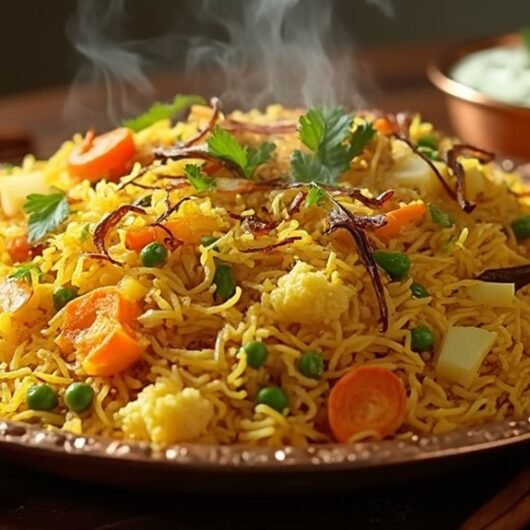
There's something magical about a well-prepared vegetable biryani that transcends the sum of its parts. As a fragrant cloud of cardamom, cinnamon, and cloves escapes from the pot, you know something extraordinary is happening. This isn't just rice with vegetables; it's a centuries-old culinary masterpiece that tells stories of royal kitchens, cultural exchanges, and ingenious adaptations.
Vegetable biryani represents the perfect marriage between simplicity and sophistication. The delicate basmati grains stand separate and proud, yet collectively embrace the medley of vegetables and aromatic spices. Whether you're preparing a weeknight dinner or hosting a festive gathering, this one-pot wonder delivers comfort and elegance in equal measure.
The Essential Ingredients
The secret to an exceptional biryani lies in three fundamental components:
- Quality basmati rice - Aged for at least 6 months for optimal flavor and texture
- Aromatic whole spices - Creating the signature fragrance that defines biryani
- Fresh vegetables - Cut uniformly to ensure even cooking throughout
The traditional preparation requires the rice to be soaked before cooking, allowing each grain to absorb moisture and cook evenly. Meanwhile, whole spices are gently toasted in oil or ghee to release their essential oils and infuse the dish with their complex aromas.
| Core Ingredients | Quantity | Special Notes |
|---|---|---|
| Basmati Rice | 2 cups | Aged minimum 6 months, soaked for 30 minutes |
| Mixed Vegetables | 3 cups | Carrots, beans, peas, cauliflower, potatoes |
| Whole Spices | Varied | 4 cardamom pods, 6 cloves, 1" cinnamon, 2 bay leaves |
| Yogurt | 1/2 cup | Adds moisture and tanginess |
| Ginger-Garlic Paste | 2 tbsp | Freshly made for best flavor |
| Onions | 2 medium | Sliced thinly for caramelization |
| Tomatoes | 2 medium | Chopped finely |
| Aromatic Spice Powders | Varied | Garam masala (1 tbsp), turmeric (1 tsp) |
| Fat | 4 tbsp | Ghee preferred for authentic flavor |
The Layering Technique: The Soul of Biryani
What distinguishes biryani from ordinary rice dishes is the artful layering and the iconic dum cooking method. This slow-steaming technique under a sealed lid allows flavors to meld harmoniously while maintaining the integrity of each ingredient.
The beauty of the dum cooking method lies in its ability to create distinct yet complementary layers. Each spoonful should deliver perfectly cooked rice, tender vegetables, and the complex symphony of spices that have infused throughout the cooking process.
Master Method for Perfect Vegetable Biryani
- Preparation: Soak basmati rice for 30 minutes, then drain. Chop all vegetables to uniform sizes.
- Base flavor: Heat ghee in a heavy-bottomed pot. Add whole spices until they crackle and release their aroma.
- Aromatics: Sauté sliced onions until golden brown. Add ginger-garlic paste and green chilies, cooking until fragrant.
- Vegetable layer: Add chopped vegetables, spice powders, and salt. Sauté for 2-3 minutes without overcooking.
- Moisture element: Mix in yogurt to create a creamy base that will help steam the rice.
- Rice layer: Gently spread the soaked rice over the vegetable mixture without disturbing the layers.
- Final touches: Pour water (1.5 parts water to 1 part rice), drizzle with saffron-infused milk if desired.
- Dum cooking: Seal the pot with dough or foil, cover with a tight lid, and cook on low heat for 20 minutes.
- Resting period: Allow to rest for 10 minutes before opening and gently fluffing the rice with a fork.
Chef's Tips for Biryani Excellence
After preparing countless biryanis over the years, I've collected these invaluable tips that transform a good biryani into an exceptional one:
- Rice selection matters: Only use aged, long-grain basmati for authentic texture.
- Parboil precisely: Cook rice to exactly 70% doneness before layering – each grain should break when pressed but retain a firm center.
- Never mix, always layer: The distinct stratification creates pockets of flavor that develop differently.
- Seal with intention: The traditional dough seal (or aluminum foil for modern kitchens) traps steam essential for proper dum cooking.
- Heat distribution: Place a tava (flat pan) underneath your pot to prevent bottom burning and ensure even heat.
- The waiting game: Resist the urge to open the lid early – the resting period is crucial for flavor development.
A Dish With History
Vegetable biryani's fascinating origins reveal a beautiful story of cultural adaptation. While meat-based biryani often takes the spotlight, the vegetarian version emerged from necessity in the Nizams' courts, where Hindu bookkeepers working under Muslim rulers needed meat-free alternatives that maintained the dish's elegance.
This inventive adaptation demonstrates biryani's remarkable versatility, as creative chefs developed techniques to infuse vegetables with the same depth of flavor traditionally achieved with meat. The evolution of vegetable biryani continued through regional adaptations, with coastal areas incorporating coconut milk, while Bengal added potatoes during food shortages.
"Biryani represents the true spirit of Indian cuisine – resourceful adaptation while preserving culinary heritage. Its ability to transform humble ingredients into something magnificent speaks to the genius of traditional cooking."
Nutritional Balance
Beyond its magnificent flavors, vegetable biryani offers nutritional benefits worth celebrating. The abundance of vegetables provides essential vitamins and fiber, while aromatic spices like turmeric and cardamom contain beneficial compounds with anti-inflammatory properties.
For a more balanced meal, consider serving your biryani with a protein-rich side like dal or a cooling raita that helps balance the warming spices. Those watching their carbohydrate intake can experiment with brown basmati rice or even cauliflower rice for a modern twist while maintaining the dish's aromatic essence.
Every spoonful of properly prepared vegetable biryani offers not just sustenance, but a connection to centuries of culinary wisdom. So the next time you lift the lid and that magnificent aroma fills your kitchen, remember you're participating in a cooking tradition that has delighted generations and crossed countless borders – all while creating something uniquely delicious.
